

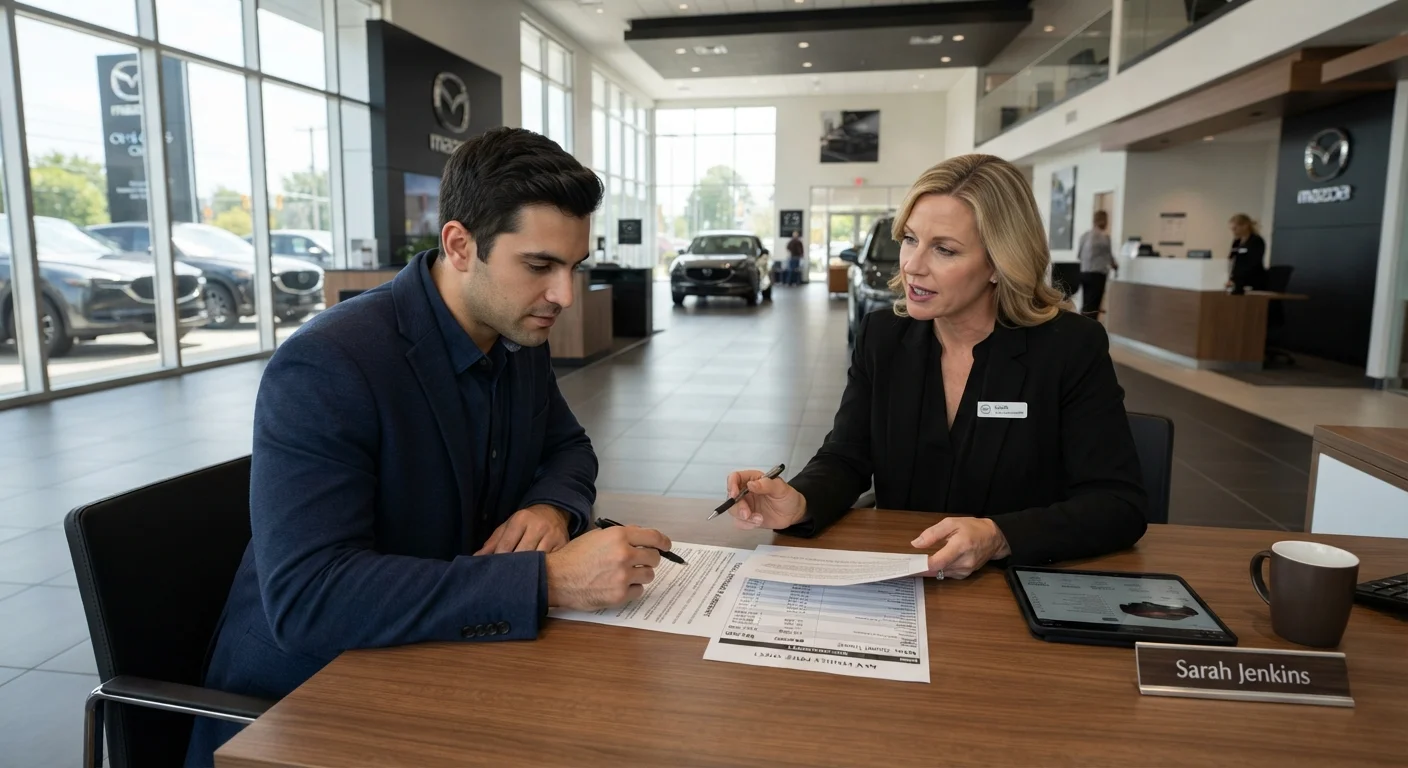
How Dealership Negotiations Are Structured
Most dealership transactions involve at least three separate negotiable elements: the purchase price of the vehicle, the value of any trade-in, and the terms of financing. Dealers are experienced at managing all three simultaneously, which can make it difficult for buyers to evaluate any single element clearly. Understanding this structure before you walk in is foundational preparation.
The sticker price - or MSRP - is a starting point, not a fixed number. Actual transaction prices depend on local demand, inventory levels, and how well-informed the buyer is. For new vehicles, knowing where the price sits relative to MSRP and invoice gives you context. For used vehicles, independent market data provides a comparable benchmark. If you are still deciding between new and used, a realistic financial comparison of new vs. used covers how the key cost factors differ between the two paths.
Financing is a separate profit center for most dealerships. When a dealer arranges a loan through a lender, they may receive compensation based on the rate the borrower accepts above the lender's base rate. This is not inherently improper, but it means the financing offer should be evaluated the same way you would evaluate any financial product - against competing options.
What you will need
What to Do at Each Stage of the Visit
Arriving prepared shifts the dynamic. You are there to evaluate whether the deal makes financial sense, not to be moved through a process quickly. The steps below reflect the typical sequence of a dealership purchase and where preparation has the most impact.
Research market pricing before contacting any dealership
Use manufacturer suggested retail price (MSRP) as a starting reference, but understand that vehicles routinely sell above or below MSRP depending on supply conditions and demand. Look up recent transaction prices for the specific trim, model year, and region you are targeting using publicly available pricing data. Understanding how depreciation affects vehicle value is also relevant here - particularly if you are weighing a new vehicle against a recent model year used option.
Get an independent trade-in valuation
If you have a vehicle to trade, obtain at least one written offer from a source independent of the dealership - such as a competing dealer or a vehicle buying service - before negotiating. This gives you a documented floor value. Dealerships often present trade-in value and purchase price as a combined figure, which makes it difficult to assess whether either number is fair on its own.
Secure a pre-approved financing offer
Contact your bank or credit union and apply for a vehicle loan before visiting the dealership. Note the annual percentage rate (APR), loan term, and any conditions. Dealer-arranged financing can be competitive, but dealers typically receive a markup above the rate the lender offers - so having a pre-approval lets you make a direct comparison. For context on financing terminology, refer to the car ownership cost glossary.
[tip_callout]Negotiate the out-the-door price first
When you are ready to negotiate, focus the conversation on the total out-the-door price - the final amount you will pay including all fees and taxes, before any trade-in credit or financing. Agreeing on this number first prevents the total cost from being obscured by monthly payment framing or trade-in bundling.
Negotiate the trade-in as a separate transaction
Once you have a firm out-the-door price for the purchase vehicle, introduce your trade-in. Present your independent valuation and treat it as a separate sale. If the dealer's offer is materially below your benchmark, you can sell the vehicle privately or to a competing buyer instead.
Review the finance office paperwork line by line
The finance office is where the final contract is signed and where add-on products are presented - extended service contracts, GAP insurance, appearance packages, and similar items. Take time to read every line item. Decline anything you did not budget for or do not understand. If you want to consider an extended warranty, research what coverage is appropriate for that vehicle type separately. See also: hidden fees that inflate the final price. [important_callout]
Finance Office Add-Ons Are Not Required
Products such as extended warranties, GAP insurance, paint protection, and tire-and-wheel coverage are presented at the finance office as part of a package. None are mandatory for the vehicle purchase. Evaluate each product independently and on its own merits before agreeing. For a breakdown of these charges, see hidden fees in car transactions.
After completing your purchase, keeping the vehicle in good condition protects the investment you just made. The car maintenance hub covers the essential upkeep every driver should understand.
This article provides general educational information about the car-buying process and does not constitute financial or legal advice. Consult a qualified professional for guidance specific to your situation.
The content provided on our blog site traverses numerous categories, offering readers valuable and practical information. Readers can use the editorial team’s research and data to gain more insights into their topics of interest. However, they are requested not to treat the articles as conclusive. The website team cannot be held responsible for differences in data or inaccuracies found across other platforms. Please also note that the site might also miss out on various schemes and offers available that the readers may find more beneficial than the ones we cover.