

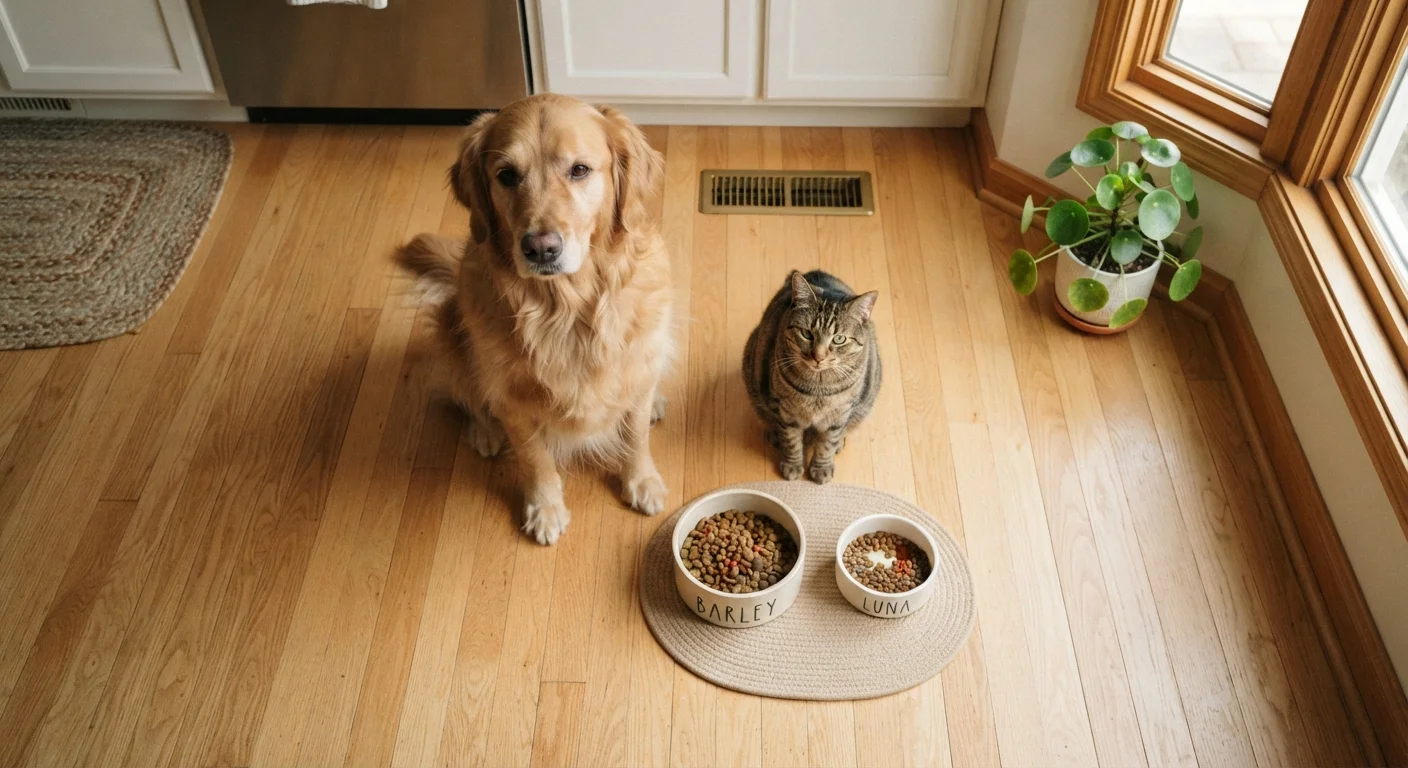
Why Pets Are Sensitive to Food Changes
Unlike humans, who regularly eat a wide variety of foods, most domestic dogs and cats thrive on dietary consistency. Their digestive enzymes and gut bacteria are calibrated to a familiar formula. A sudden change - even to a higher-quality food - can overwhelm that system temporarily, leading to symptoms that owners often mistake for illness or food intolerance.
Understanding this helps reframe the transition process: it is not about whether the new food is good, but about giving the gut adequate time to recalibrate. This is especially relevant when switching protein sources, moving between life-stage formulas (e.g., adult to senior), or going from dry to wet food, all of which represent meaningful changes to your pet's digestive workload.
What you will need
What You'll Need Before You Start
Before beginning the transition, gather everything listed below. Having the right tools on hand prevents improvisation mid-process, which is a common source of inconsistency.
Kitchen food scale
Ensures accurate weight-based portioning when mixing old and new food during each transition stage.
Measuring cups
A volume-based alternative to a scale for portioning food if a scale is unavailable.
Transition tracking log
A simple written or digital record to track daily food ratios, appetite, and stool quality throughout the switch.
You do not need any specialized equipment - the key is simply having enough of both foods and a reliable way to portion them accurately across the full transition period.
Step-by-Step Transition Instructions
Follow these steps in order. If your pet is a senior, has a diagnosed health condition, or is recovering from illness, consult your veterinarian before starting - the pace and food selection may need to be personalized.
Senior and Special-Needs Pets Need Extra Care
Older pets and those with chronic conditions such as kidney disease, diabetes, or inflammatory bowel disease often have more sensitive digestive systems and specific nutritional requirements. Always consult your veterinarian before switching food for these animals - the transition pace and food selection may need to be tailored to their individual health status. See our related article on how veterinary care shifts for senior pets for broader context.
Understand why a gradual switch matters
A pet's gastrointestinal tract hosts a complex community of bacteria - collectively called the gut microbiome - that is adapted to digesting a specific diet. Introducing a new food abruptly disrupts this balance, often resulting in loose stool, vomiting, gas, or reduced appetite. A phased approach gives the microbiome time to adjust and enzyme production to shift, reducing the likelihood of digestive upset.
Plan a 7-10 day transition schedule
The standard veterinary-recommended timeline spans seven to ten days, divided into progressive stages. A widely used framework looks like this:
- Days 1-2: 75% old food, 25% new food
- Days 3-4: 50% old food, 50% new food
- Days 5-6: 25% old food, 75% new food
- Days 7-10: 100% new food
If your pet has a known sensitive stomach or is moving to a significantly different protein or formula type, extend each stage by one to two extra days before moving forward.
Mix foods thoroughly at each meal
Combine the old and new food in the correct ratio for that day's stage and mix them together before serving. This prevents your pet from selectively eating only the preferred food and leaving the rest. For wet food, stir thoroughly. For dry kibble, toss the portions together in the bowl so the aromas blend.
Monitor stool consistency and appetite daily
Throughout the transition, observe your pet's stool each day. Formed, consistent stools indicate the gut is adjusting well. Loose stools or mild softening for a day or two can be normal, especially at the 50/50 stage. However, watery diarrhea or vomiting that persists beyond 48 hours is a signal to pause the transition and seek veterinary guidance. Note any changes in appetite as well - some reduction is common, but complete food refusal is not typical and should be investigated.
For more context on what digestive and physical signs might indicate longer-term nutritional problems, see our guide on signs your pet's diet might not be working.
Pause or slow the transition if needed
If your pet shows moderate digestive disturbance - softer-than-normal stool or occasional vomiting without other symptoms - step back to the previous ratio and hold there for two to three additional days before moving forward again. This is not a failure; it simply means your individual pet needs a longer runway. Some animals, particularly those switching protein sources (e.g., chicken-based to fish-based), may require up to two weeks or more.
Complete the transition and maintain consistency
Once your pet is eating 100% of the new food without digestive symptoms, the transition is complete. Going forward, avoid making frequent food changes - each switch carries the same risk of digestive disruption. If the new food is nutritionally complete and your pet is thriving, consistency is in their best interest. Be cautious about supplementing with table scraps or human foods, as some can interfere with the balanced nutrition the new food provides. Our reference guide on human foods that are safe and unsafe for pets is a helpful resource here.
Use a Food Scale for Accuracy
Eyeballing portions can lead to inconsistent ratios during the transition. A simple kitchen scale takes the guesswork out of measuring the correct split between old and new food. This is especially useful if you are also adjusting total daily intake based on caloric differences between the two formulas.
Tracking Progress and Knowing When to Seek Help
The clearest indicator of a successful transition is stool quality. Veterinary nutritionists often use the Purina Fecal Scoring System (a publicly available reference tool) as a benchmark: a score of 3-4 on a 1-7 scale indicates ideal stool consistency. While you do not need to use a formal scoring tool, the general principle is useful - you are looking for formed, moist, but not watery stools.
When to Stop and Call Your Vet
If your pet shows bloody stool, repeated vomiting, complete appetite loss for more than 24 hours, or significant lethargy at any point during the transition, stop the new food and contact your veterinarian promptly. These signs can indicate a food intolerance, allergy, or an unrelated health issue that needs professional evaluation. This guide provides general educational information and is not a substitute for veterinary advice.
Appetite is the secondary indicator. A mild reduction in enthusiasm for food during the first few days of mixing is common, particularly in picky eaters. If appetite does not return within two to three days of each stage, pause and reassess. Persistent or worsening symptoms always warrant a veterinary conversation rather than continued experimentation at home.
This article is for general informational and educational purposes only and does not constitute veterinary advice. Always consult a licensed veterinarian for guidance specific to your pet's health and dietary needs.
The content provided on our blog site traverses numerous categories, offering readers valuable and practical information. Readers can use the editorial team’s research and data to gain more insights into their topics of interest. However, they are requested not to treat the articles as conclusive. The website team cannot be held responsible for differences in data or inaccuracies found across other platforms. Please also note that the site might also miss out on various schemes and offers available that the readers may find more beneficial than the ones we cover.