

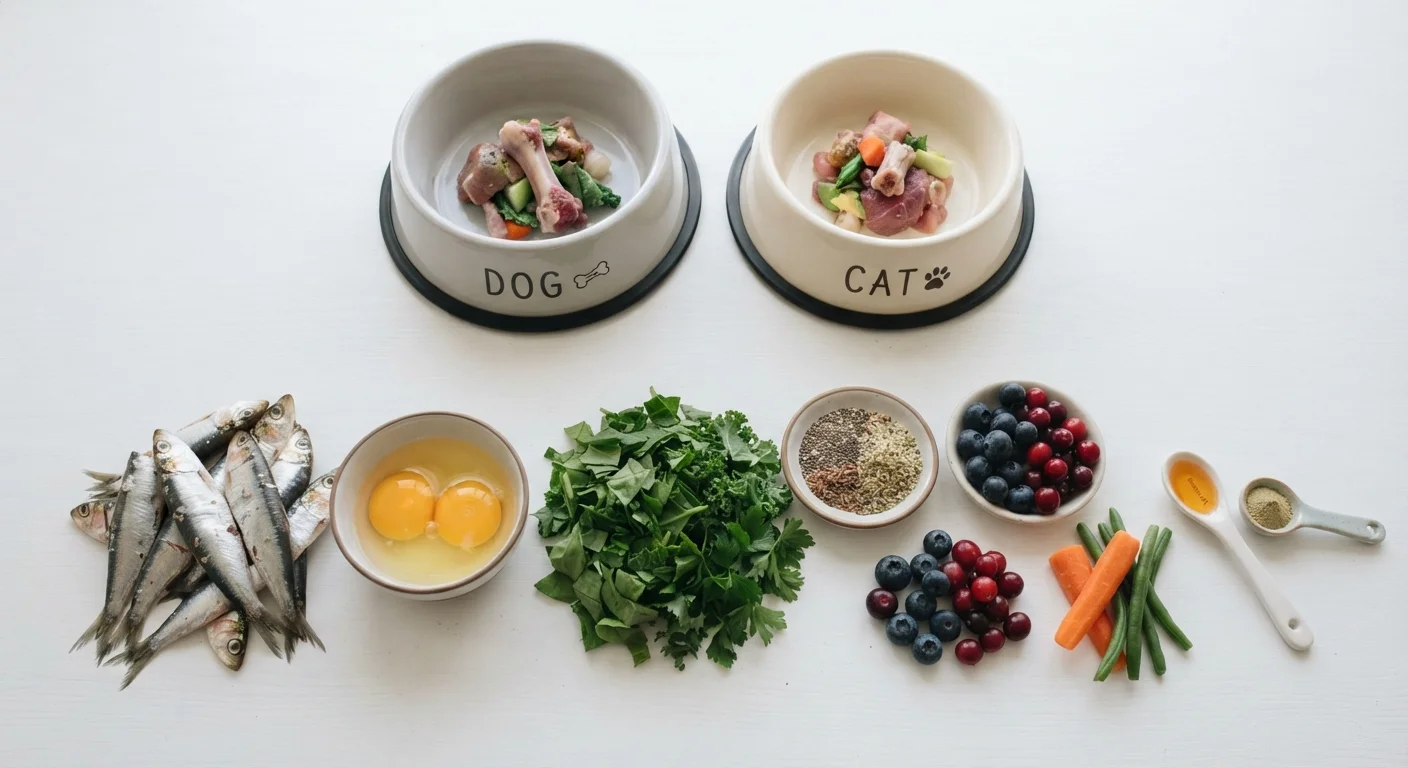
What Taurine Actually Does - and Why Cats Can't Skip It
Taurine is an amino sulfonic acid found concentrated in animal muscle tissue, particularly the heart. In cats, it is involved in bile salt conjugation, retinal cell maintenance, immune function, and - most critically - normal heart muscle contraction. Because cats have limited ability to synthesize taurine from dietary precursors (methionine and cysteine), every meal must supply it directly.
When taurine intake falls short over weeks or months, cats can develop dilated cardiomyopathy (DCM) - a condition in which the heart muscle weakens and the chambers enlarge, impairing the ability to pump blood effectively. Retinal degeneration, eventually causing blindness, is another documented consequence. Both conditions can progress significantly before outward symptoms are obvious, which is why deficiency is often described as a 'silent' problem.
Dogs occupy a different position. They can generally synthesize taurine, but certain large breeds and some dietary patterns have been associated with lower taurine blood levels. The relationship between specific dog diets and cardiac outcomes remains under active investigation by veterinary researchers and regulatory bodies, and no single dietary factor has been confirmed as the cause.
Ongoing Research: Dogs, Diet, and Heart Disease
Since 2018, the FDA has been investigating a potential association between certain grain-free, legume-heavy diets and dilated cardiomyopathy in dogs. As of the time of writing, a definitive causal mechanism has not been confirmed. If you have concerns about your dog's cardiac health or diet composition, a conversation with your veterinarian is the most reliable next step.
Omega-3 Fatty Acids: More Than a Coat Supplement
Omega-3 fatty acids - particularly eicosapentaenoic acid (EPA) and docosahexaenoic acid (DHA) - are polyunsaturated fats found primarily in marine oils and fatty fish. Their function is mechanistic, not decorative. EPA and DHA are incorporated into cell membranes throughout the body and are precursors to molecules called eicosanoids, which regulate inflammatory signaling at the cellular level.
In practical terms, adequate EPA and DHA intake is associated with healthier skin barrier function, reduced inflammatory skin and joint responses, and support for brain and eye development in puppies and kittens. DHA in particular is concentrated in neural tissue and the retina.
An important distinction: the plant-based omega-3, alpha-linolenic acid (ALA), found in flaxseed and similar ingredients, is not a reliable substitute. Dogs convert ALA to EPA and DHA only at low efficiency; cats convert it even less efficiently. Marine-sourced omega-3s are therefore the biologically meaningful form for both species.
~100%
Of taurine in cats must come from diet
Cats lack sufficient enzyme activity to synthesize adequate taurine from methionine and cysteine, making dietary supply the only reliable source, per established feline nutritional biochemistry.
<15%
ALA converted to EPA/DHA in dogs
Research consistently shows that conversion of plant-based alpha-linolenic acid to the biologically active EPA and DHA is highly inefficient in dogs and even lower in cats.
Months
Time before deficiency symptoms appear
Veterinary nutritionists note that many nutrient deficiencies - including taurine depletion - can progress silently for weeks to months before clinical signs become detectable.
Other Nutrients Doing Quiet but Critical Work
Taurine and omega-3s receive attention partly because their deficiencies are well-documented in clinical research. But several other nutrients perform equally vital - if less discussed - roles:
- Vitamin A (retinol): Unlike humans, cats cannot convert beta-carotene from plants into vitamin A. They require preformed retinol from animal tissue. Deficiency affects vision, immune response, and skin integrity.
- Arachidonic acid: Another fatty acid cats cannot synthesize adequately. It is involved in reproductive function and immune response. Dogs can produce it from linoleic acid; cats cannot.
- Calcium and phosphorus: These minerals must be supplied in the correct ratio, not just adequate amounts. An imbalanced ratio - common in home-prepared diets based primarily on muscle meat - can lead to skeletal problems, particularly in growing animals.
- B vitamins (especially niacin and B12): Cats have a high dietary requirement for niacin because they cannot synthesize it from tryptophan at a sufficient rate. B vitamins are water-soluble and depleted rapidly, making consistent dietary supply important.
For a broader overview of how protein, fat, and carbohydrates interact with these micronutrients, see our explainer on nutritional building blocks every pet diet needs.
Why Deficiencies Go Unnoticed - and What to Watch For
Nutritional deficiencies in pets are rarely dramatic at first. The body compensates, reallocates resources, and maintains visible function while quietly depleting reserves. A cat with declining taurine status may appear normal for months. A dog with suboptimal omega-3 intake may just seem to have a 'dull coat' rather than a dietary gap.
Early physical signs worth discussing with a veterinarian include:
- A coat that has lost sheen or has increased shedding or flakiness
- Lower-than-normal energy or activity tolerance
- Slower recovery from minor illness or injury
- Changes in stool consistency or frequency
- Eyes appearing cloudy or discharge increasing
None of these signs is specific to a single nutrient deficiency - they overlap with illness, stress, age, and other factors. That is precisely why a veterinary assessment matters before drawing dietary conclusions. Our companion article on signs your pet's diet might not be working covers these indicators in more detail.
Verify AAFCO Status Before Buying
When selecting a commercial pet food, look for an AAFCO nutritional adequacy statement specifying the life stage (growth, adult maintenance, or all life stages) and, where possible, one substantiated by a feeding trial rather than formulation alone. This does not guarantee a perfect diet, but it sets a meaningful baseline that an unvalidated recipe cannot offer.
It is also worth understanding how marketing language on pet food packaging may or may not reflect actual nutrient quality. See reading between the lines on pet food marketing claims for guidance on evaluating label language critically.
This article is for general educational purposes only and is not a substitute for veterinary advice. Consult a licensed veterinarian before making changes to your pet's diet or adding supplements.
Frequently Asked Questions
Cats lack sufficient activity of the enzymes needed to synthesize taurine from precursor amino acids, making dietary intake the only reliable source. Taurine deficiency in cats is linked to dilated cardiomyopathy (enlarged, weakened heart) and retinal degeneration. Because symptoms develop slowly, regular veterinary check-ups are the best way to catch problems early.
Dogs can generally synthesize taurine, but certain breeds and dietary patterns have been associated with lower taurine status. Research into a potential link between certain grain-free diets and heart disease in dogs is ongoing, and no definitive cause has been established. Owners with concerns about taurine and their dog's diet should speak with a veterinarian.
EPA and DHA, the omega-3 fatty acids found in marine sources, help regulate the body's inflammatory response at a cellular level. In pets, this supports skin and coat health, joint comfort, and cardiovascular and neurological function. They are not produced adequately from plant-based ALA alone, especially in cats.
Look for an AAFCO nutritional adequacy statement on the label, ideally one backed by a feeding trial rather than formulation alone. The guaranteed analysis panel shows minimum levels of key nutrients. For a deeper breakdown of what labels tell you, see our guide on <a href="/pet-care-essentials/pet-health-basics/reading-a-pet-food-label-without-getting-confused">reading a pet food label</a>.
Most pets eating a complete, balanced commercial diet do not need additional supplementation. Over-supplementing fat-soluble vitamins or minerals can cause toxicity. Always discuss supplementation needs with your veterinarian before making changes.
Early signs are often subtle: a dull or flaky coat, low energy, slower healing, or changes in digestion. Because these symptoms overlap with many conditions, a veterinary assessment is essential before assuming the cause is dietary.
The content provided on our blog site traverses numerous categories, offering readers valuable and practical information. Readers can use the editorial team’s research and data to gain more insights into their topics of interest. However, they are requested not to treat the articles as conclusive. The website team cannot be held responsible for differences in data or inaccuracies found across other platforms. Please also note that the site might also miss out on various schemes and offers available that the readers may find more beneficial than the ones we cover.