

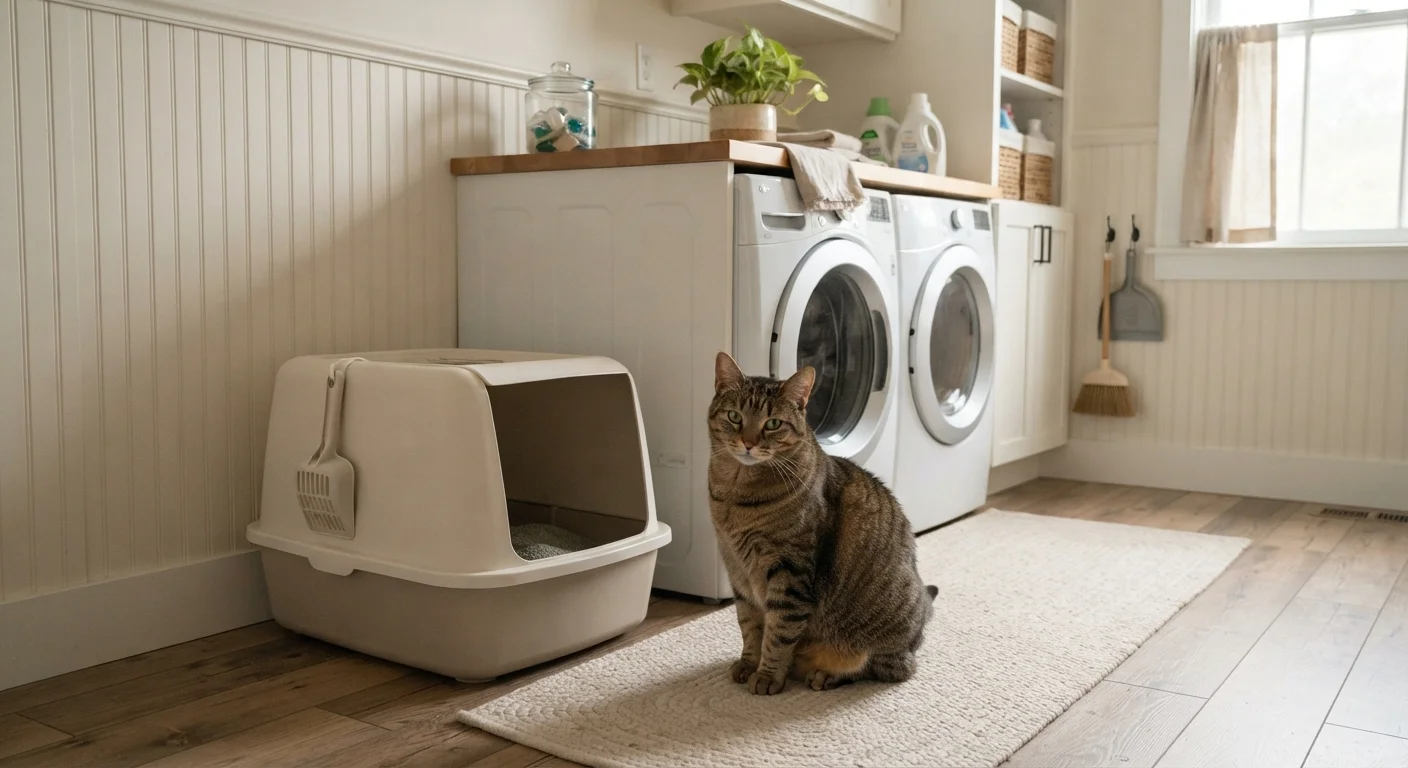
Why Cats Stop Using the Litter Box
When a cat begins eliminating outside the litter box, it is easy to interpret the behavior as deliberate defiance. Veterinary behaviorists consistently find the opposite: cats are motivated by discomfort, anxiety, or unmet environmental needs - not revenge. Understanding that distinction is the starting point for effective troubleshooting.
Litter box problems fall into two broad categories: medical and behavioral/environmental. These categories can overlap - a cat that developed a painful urinary tract infection may avoid the box even after the infection clears, having associated the box itself with pain. This is why a systematic, behavior-first investigation matters.
Common medical causes include urinary tract infections, feline idiopathic cystitis, kidney disease, arthritis (which makes stepping into a high-sided box painful), diabetes, and hyperthyroidism. Common non-medical causes include a dirty box, an aversive litter type, poor box placement, multi-cat tension, or a recent household change that raised the cat's stress level.
Track Patterns Before the Vet Visit
Keep a simple log for three to five days before your veterinary appointment. Note the time, location, and type of elimination (urine, feces, or both) each time your cat goes outside the box. This pattern data is often more useful to your vet than a general description, and it can reveal clusters around specific triggers.
If your cat's diet is also under review, digestive irregularities can sometimes contribute to litter box reluctance. See signs your pet's diet might not be working for physical indicators worth monitoring alongside behavior.
Before You Change Anything: Rule Out Medical Causes
A veterinary examination is a non-negotiable first step before making any environmental changes. Blood work, urinalysis, and a physical assessment can confirm or rule out the medical conditions listed above. Attempting behavioral fixes while an untreated infection or pain is present will not resolve the problem and delays care the cat needs.
Bring a fresh urine sample to the appointment if possible - many clinics provide collection kits. Describe the specific pattern you have observed: where the cat is eliminating, how frequently, whether there is straining or vocalization, and how long the problem has been occurring. Precise observations help your veterinarian narrow the differential quickly.
Straining or Blood in Urine: Seek Immediate Care
If your cat is straining to urinate, crying in the litter box, producing little or no urine, or you see blood in the urine, treat this as an urgent veterinary situation - particularly in male cats, who are at higher risk of urethral obstruction, a life-threatening condition. Do not attempt behavioral troubleshooting in this scenario; contact your veterinarian or an emergency clinic immediately.
Step-by-Step: Investigating the Environment
Once medical causes have been ruled out or treated, work through the following steps methodically. Change one variable at a time so you can identify which factor is actually driving the behavior.
Assess box cleanliness and scooping frequency
Cats have a highly developed sense of smell - a box that seems acceptably clean to a human may be intolerable to a cat. Scoop solid waste at least once daily and change the litter completely every one to two weeks. Use mild, unscented soap for washing the box; strong chemical cleaners leave residues cats often find aversive.
Audit the number and placement of boxes
The standard guideline, supported by veterinary behaviorists, is one box per cat plus one additional box. Distribute boxes across different rooms and floors so that a cat is never far from an option. Avoid placing boxes near food and water stations, in high-traffic areas, or in spots where the cat could be startled by appliances.
Evaluate box size, style, and entry height
A litter box should be roughly 1.5 times the length of the cat from nose to tail base. Many commercially available boxes are undersized, particularly for large-breed cats. High sides can deter arthritic or elderly cats; covered boxes may trap odors or feel confining to anxious individuals. Try an open, low-entry box as a comparison if avoidance continues.
Run a litter preference test
Set up two identical boxes side by side, filling one with your current litter and one with an alternative (e.g., unscented clumping clay versus a paper-based or crystal litter). Track which box the cat uses over five to seven days. Cats often have strong textural and material preferences that owners are unaware of.
Identify and reduce household stressors
Stress-related elimination - sometimes called feline idiopathic cystitis or psychogenic house-soiling - can be triggered by a new pet, a new person, construction noise, schedule changes, or even outdoor cats visible through windows. Identify what changed in the household around the time the behavior started. Environmental enrichment (vertical space, hiding spots, play sessions) helps reduce baseline anxiety.
Clean soiled areas thoroughly with an enzymatic cleaner
Cats are drawn back to areas where they have previously eliminated by residual scent markers. Standard household cleaners do not fully neutralize these compounds. Use an enzymatic cleaner specifically formulated to break down urine proteins. Apply it thoroughly to all soiled spots, including carpet padding if the urine has soaked through.
For a broader framework on shaping feline behavior at home, a complete guide to training your cat at home provides foundational techniques that apply here as well. Avoid home remedies such as strongly scented deterrents without veterinary guidance - when home remedies for pets go wrong explains why well-intentioned fixes can backfire.
When to Return to the Veterinarian
If you have worked through every environmental variable systematically and the behavior continues beyond two to three weeks, schedule a follow-up. Some cats require referral to a veterinary behaviorist, particularly when anxiety or inter-cat aggression is the suspected driver. Prescription anti-anxiety medications are sometimes appropriate as a short-term bridge while behavioral modification is underway - this is a decision for your veterinarian, not a judgment to make at home.
Persistent house-soiling can also damage flooring, subflooring, and air quality. Prompt, calm investigation protects both your home and your cat's welfare. Most cats return to reliable litter box use once the correct cause is identified and addressed consistently.
This article is for general informational and educational purposes only and does not constitute veterinary medical advice. Always consult a licensed veterinarian for guidance specific to your cat's health and behavior.
The content provided on our blog site traverses numerous categories, offering readers valuable and practical information. Readers can use the editorial team’s research and data to gain more insights into their topics of interest. However, they are requested not to treat the articles as conclusive. The website team cannot be held responsible for differences in data or inaccuracies found across other platforms. Please also note that the site might also miss out on various schemes and offers available that the readers may find more beneficial than the ones we cover.