

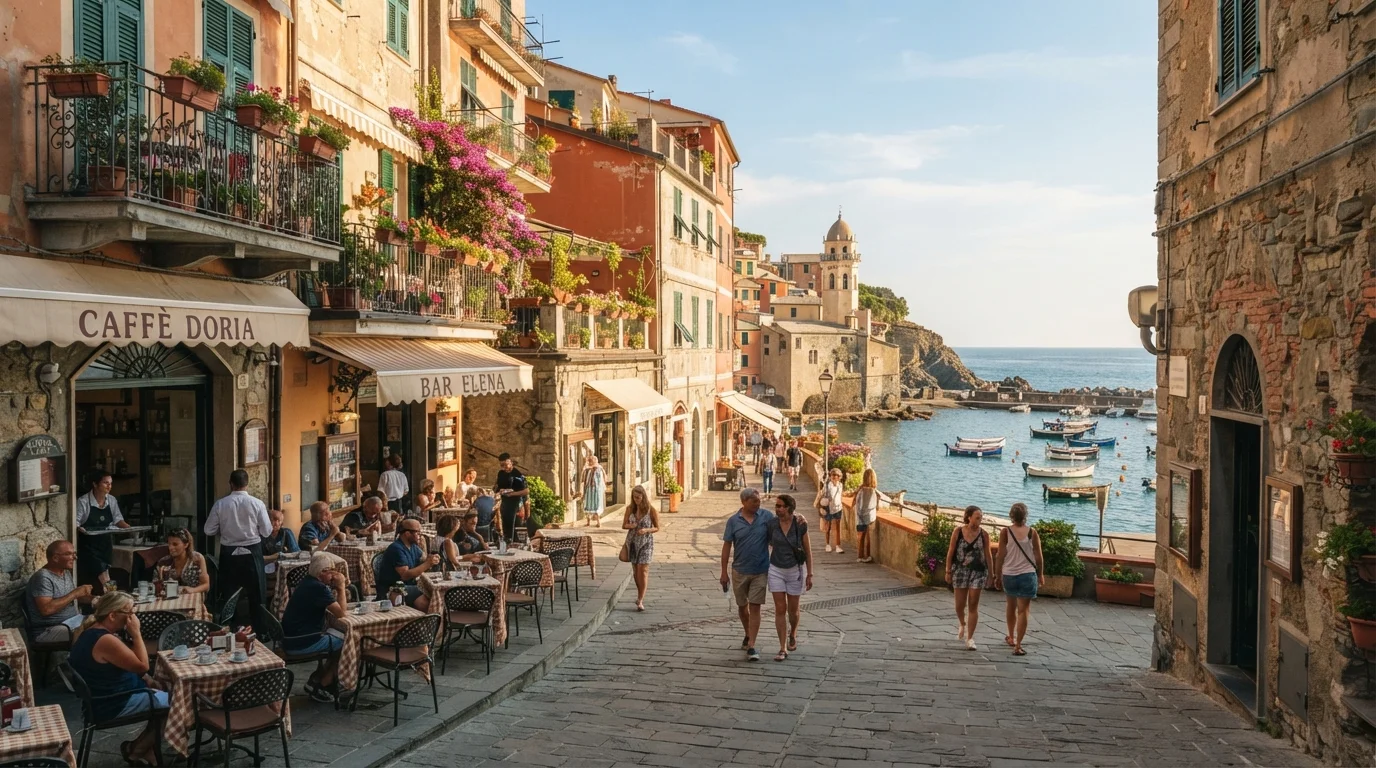
Why Timing Still Matters Even When You're Flexible
Most travelers know that when you go affects what you pay. Fewer take the next step: identifying the specific window just outside peak demand where conditions are still good but prices have already begun to fall. That window is shoulder season, and understanding how it works is one of the more reliable ways to reduce trip costs without compromising the experience.
Shoulder season isn't a vague idea - it's a structural feature of how travel demand works. Hotels and airlines price dynamically, raising rates when bookings surge and dropping them when demand softens. Shoulder season is where that softening begins, but before conditions deteriorate enough to deter most travelers.
Trip planning essentials consistently point to timing as a foundational decision, and shoulder season is one of the clearest applications of that principle.
What Actually Changes During Shoulder Season
Three things shift meaningfully when a destination moves out of peak: prices, crowds, and service availability. The first two usually work in the traveler's favor; the third requires attention.
Prices
Hotels drop rates to maintain occupancy when leisure bookings slow. Airlines adjust fares based on load factors - fewer people competing for the same seats means less pricing pressure. This dynamic is consistent across destination types, though the magnitude varies.
Crowds
Popular sites become more navigable. Lines at museums, national parks, and landmarks are shorter. Restaurant reservations that were impossible during peak weeks open up. For destinations where overcrowding is a genuine problem at peak - certain European cities, iconic national parks - shoulder season can shift the experience substantially.
Service Availability
This is where shoulder season requires honest planning. Tour operators may run reduced schedules. Seasonal restaurants close. Some smaller hotels shut between seasons. In destinations with pronounced shoulder periods, travelers should verify what's actually open before booking - not assume that peak-season options carry over.
Shoulder Season Varies by Traveler Type
A destination's shoulder season for leisure beach travelers may coincide with peak season for a major conference or cultural festival. Before assuming a date falls in a low-demand window, check local event calendars and not just general seasonal guides. Niche events can compress supply and push prices back toward peak levels even outside traditional high season.
How to Identify Shoulder Season for Any Destination
There's no universal shoulder season calendar. The window depends entirely on what drives peak demand at a given place.
- School and holiday calendars: US and European school breaks (summer, spring break, winter holidays) generate the most concentrated demand spikes. Avoiding those windows by one to three weeks often captures shoulder pricing.
- Climate patterns: Beach destinations peak when weather is reliably good. Shoulder season may coincide with shoulder weather - still acceptable, but less predictable. Research historical weather data, not just promotional descriptions.
- Events and festivals: A single major event can convert a shoulder period into a micro-peak. Check local event calendars before assuming a date is low-demand.
For regions where seasonal patterns are complex - like parts of Southeast Asia where weather varies significantly by country - understanding what "shoulder" actually means takes more research. What off-season actually means in Southeast Asia breaks down those distinctions in detail.
20-40%
Typical hotel rate reduction in shoulder vs. peak
Industry travel research generally suggests lodging costs in popular destinations can fall by this range outside peak demand windows, though specific savings vary significantly by destination and timing.
1-3 weeks
How far outside peak shoulder season often begins
Travel pricing analysts note that meaningful demand drops - and corresponding price reductions - often begin within one to three weeks before or after the core peak window at a given destination.
30%+
Visitor volume drop at some sites post-peak
At heavily visited sites like major European landmarks or US national parks, visitor counts can fall sharply in the weeks immediately after school-year peak periods end.
Making Shoulder Season Work Practically
Knowing shoulder season exists is one thing; capturing its benefits takes a bit of deliberate planning.
Be specific about dates. Shoulder season savings often compress into narrow windows - sometimes just one or two weeks. A general preference for "late spring" isn't precise enough. How flexible travel dates can actually change trip economics explains how even a few days' shift can move the needle on cost.
Book accommodations early anyway. Shoulder season reduces competition for rooms but doesn't eliminate it. In smaller destinations, quality properties still fill up. Booking early locks in lower rates while maintaining options.
Combine with slower pacing. Shoulder season pairs naturally with staying in fewer places for longer periods - a strategy that reduces transportation costs and gives more time to experience destinations without peak-season pressure. Slow travel: spending less by staying longer covers how that approach works in practice.
Verify entry and operational details. Conditions, visa requirements, and local regulations can change. Always confirm current requirements through official government and provider sources before finalizing plans - published advice, including this article, may not reflect the most current situation.
Shoulder season isn't a workaround or a trick. It's a reflection of how travel demand actually works - and travelers who understand the mechanics are better positioned to make informed decisions about when to go.
Cross-Check Weather Before Booking Shoulder Dates
Shoulder season pricing is appealing, but weather can be the reason peak demand exists in the first place. Before locking in dates, check historical climate data for your destination - not just promotional content. A few rainy weeks at the edge of monsoon season may not deliver the trip you planned.
Frequently Asked Questions
Shoulder season is the period just before or just after a destination's busiest tourist window. It typically features lower prices than peak season but more reliable conditions than the off-season. The exact dates depend entirely on the destination.
Savings vary widely by destination and timing. Lodging and flights can be meaningfully lower, though the exact difference depends on how demand shifts at that specific location. No fixed percentage applies universally.
Some businesses, tours, or attractions reduce hours or close entirely. Weather may be less predictable. Travelers should verify what's open and operational before booking, especially in heavily seasonal destinations.
No. Off-season typically means the slowest demand period, which often involves the lowest prices but also the greatest risk of closures, poor weather, or limited services. Shoulder season sits between peak and off-season and tends to balance cost savings with functional travel conditions.
Destinations with sharply defined peak seasons - beach towns, ski resorts, major European cities in summer - tend to show the most noticeable cost and crowd differences in shoulder periods. Shoulder season is less distinct in year-round destinations with steady demand.
Look at what drives peak demand at that destination - school holidays, climate, festivals - and identify the weeks just outside those windows. Local tourism board sites and weather data are reliable starting points. Verifying visa, entry, and operational details with official sources before booking is always recommended.
The content provided on our blog site traverses numerous categories, offering readers valuable and practical information. Readers can use the editorial team’s research and data to gain more insights into their topics of interest. However, they are requested not to treat the articles as conclusive. The website team cannot be held responsible for differences in data or inaccuracies found across other platforms. Please also note that the site might also miss out on various schemes and offers available that the readers may find more beneficial than the ones we cover.