

Summary
22 items · 15-30 minutes
Why a Pre-Trip Checklist Actually Matters
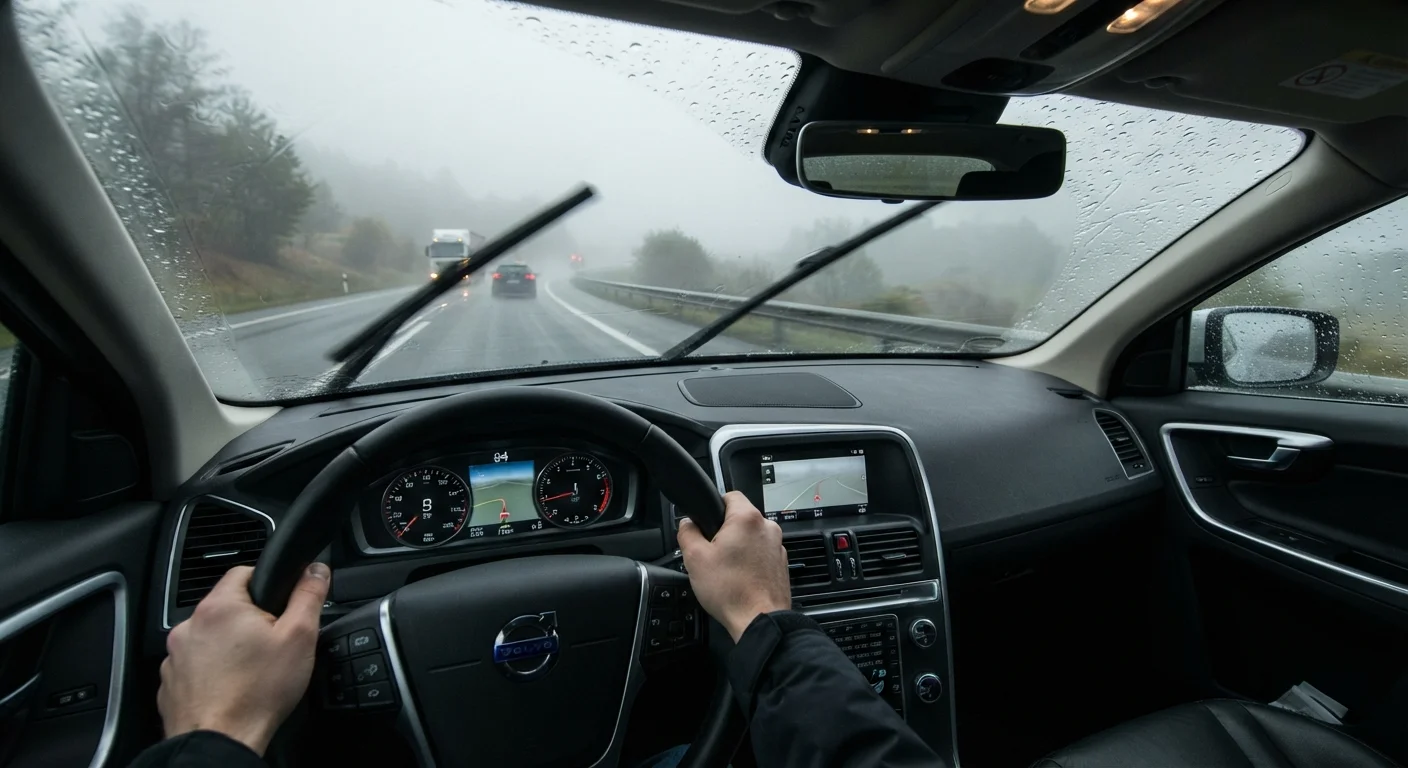
Most weather-related crashes aren't caused by freak conditions - they're caused by drivers who underestimated what those conditions demanded of their vehicle and themselves. Rain reduces stopping distances. Ice can make a familiar road unrecognizable. Fog creates a false sense of what's ahead. Each hazard is manageable with the right preparation; each becomes dangerous without it.
This checklist is designed for the 15-30 minutes before you leave - not a deep-maintenance session. For longer-term seasonal prep, see our guide on preparing your vehicle for weather changes. What follows is what you can and should verify the day of the drive.
Clearing Your Vehicle Is a Legal Requirement in Many States
Most US states have laws requiring drivers to remove snow and ice from their vehicles before driving. Flying debris from an inadequately cleared roof or hood can cause serious injuries to other drivers and result in fines or liability. Always clear the entire vehicle - not just the windshield - before moving. Check your state's specific requirements, as penalties and scope vary.
What You'll Need
You don't need specialized equipment to run this checklist - most items are things you likely already have or should keep in the vehicle. Use the tool list below to confirm you're stocked before heading out.
Tire pressure gauge
Accurately check all four tires against manufacturer-recommended PSI before driving in cold or wet conditions.
Ice scraper and snow brush
Clear ice and snow from all windows, mirrors, the hood, and the roof before the vehicle moves.
Flashlight with spare batteries
Provides visibility for roadside emergencies, mechanical checks, or low-light situations.
Jumper cables or portable jump starter
Essential for restarting a battery that has failed in cold temperatures, either with another vehicle or independently.
Windshield washer fluid (winter-rated)
Prevents washer fluid from freezing in the reservoir or on the windshield during sub-freezing temperatures.
First aid kit
Covers basic injury response in the event of a collision or roadside incident while help is en route.
Portable phone charger
Keeps your phone functional for navigation and emergency calls if you are stranded for an extended period.
Sand, kitty litter, or traction mats
Provides grip under drive wheels if the vehicle becomes stuck on ice or packed snow.
The Full Pre-Trip Checklist
Work through each group systematically. Items marked must are non-negotiable for safe operation. Should items are strongly recommended and often required by law in certain states. Nice to have items add a meaningful safety margin.
Visibility Systems
Tires and Traction
Mechanical Readiness
Emergency Kit
Route and Conditions Assessment
Bad-weather driving also shares risk factors with low-light conditions - if your trip spans dawn, dusk, or night hours, our article on night driving risks covers what even experienced drivers miss after dark.
Don't Rely on AWD or 4WD for Stopping Power
All-wheel drive and four-wheel drive improve traction during acceleration, but they do not shorten braking distances on ice or wet pavement. Many drivers overestimate their vehicle's capability in slippery conditions because of these systems. Maintain appropriate following distances regardless of your drivetrain, and reduce speed to match the actual conditions of the road surface.
When to Reconsider the Trip Entirely
No checklist replaces sound judgment about whether a trip should happen at all. If local authorities have issued a travel advisory, road closures are in effect, or conditions are rapidly deteriorating, the responsible decision may be to delay. Employers, appointments, and social obligations rarely justify the risk of driving in genuinely dangerous conditions.
Check your state's department of transportation road conditions page and the National Weather Service forecast before committing to departure. A postponed trip is recoverable. A weather-related collision often isn't.
For ongoing vehicle health that supports readiness in any season, the car maintenance hub is a practical starting point for building good habits year-round.
The content provided on our blog site traverses numerous categories, offering readers valuable and practical information. Readers can use the editorial team’s research and data to gain more insights into their topics of interest. However, they are requested not to treat the articles as conclusive. The website team cannot be held responsible for differences in data or inaccuracies found across other platforms. Please also note that the site might also miss out on various schemes and offers available that the readers may find more beneficial than the ones we cover.