

Why Older Homes Demand Extra Caution
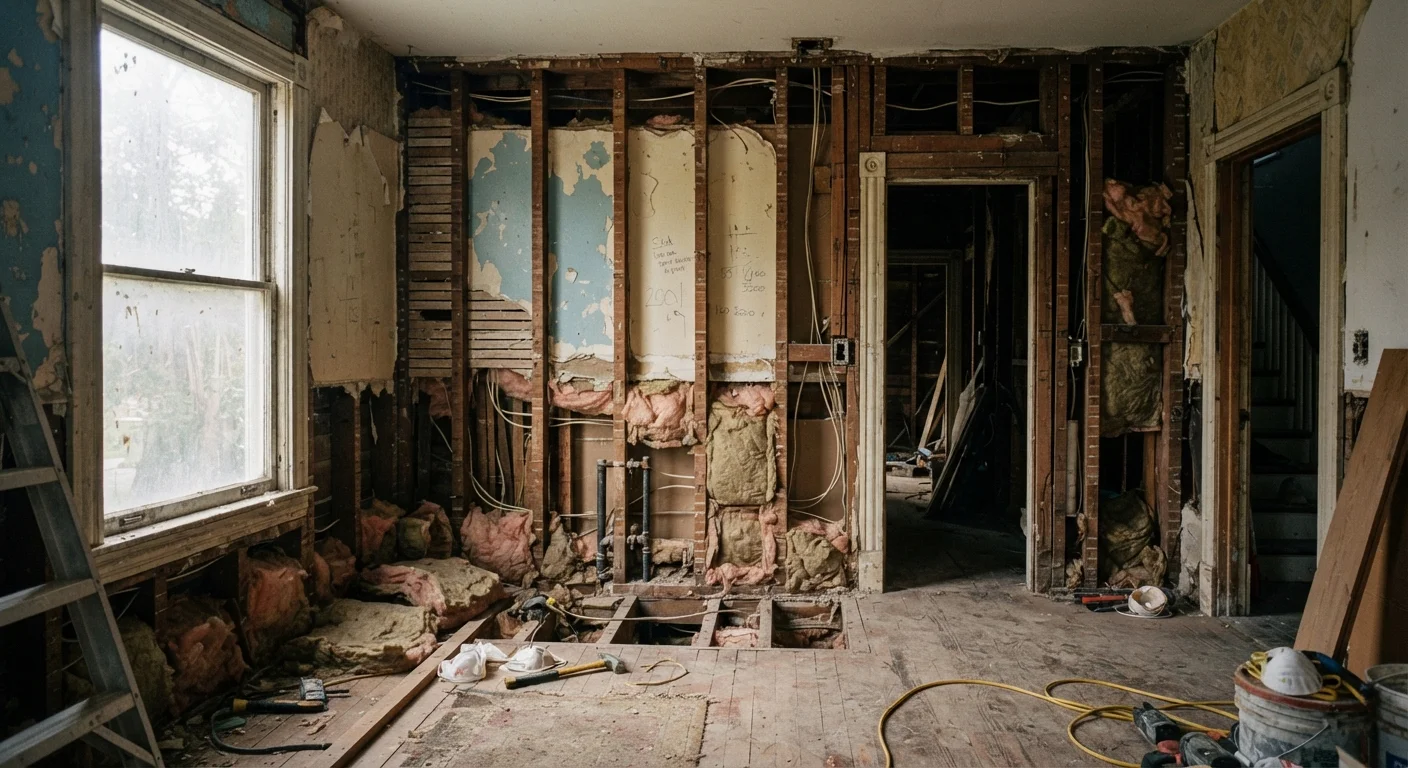
If your home was built before 1980, it was constructed during an era when materials we now know to be hazardous were standard practice. Lead-based paint, asbestos-containing products, and outdated electrical systems like knob-and-tube wiring were widely used and considered safe at the time. Today, those same materials can pose serious health and safety risks - particularly when disturbed during renovation work.
The danger isn't simply living in an older home. In many cases, intact materials can remain in place without immediate risk. The hazard rises sharply when materials are cut, sanded, drilled, or demolished, releasing particles and fibers into the air. Understanding what you may be dealing with - and when to call a professional - is the first and most important step before any project begins.
For a broader look at which upgrades to prioritize and when to bring in help, see our guide for first-time homeowners.
Lead Paint: Testing, Risk, and Safe Handling
The federal government banned lead-based paint for residential use in 1978, but homes built before that year - and especially before 1940 - may have multiple layers of it under newer coats. Lead exposure is particularly dangerous for children under six and pregnant individuals, where it can cause developmental and neurological harm.
When In Doubt, Don't Sand or Scrape
If you're unsure whether painted surfaces contain lead, treat them as if they do until testing says otherwise. Wet methods (misting surfaces before scraping) reduce airborne dust significantly. Reserve sanding for confirmed lead-free surfaces only, or use a HEPA-equipped sander with proper containment.
When is it a problem? Intact, well-adhered lead paint that isn't peeling or in a friction zone (like a window sill) is generally considered lower risk. The hazard escalates during sanding, scraping, cutting, or any activity that creates dust or debris.
Testing options: DIY test kits are available at hardware stores and can detect the presence of lead, though they may not identify all layers. For more reliable results before a major renovation, hire an EPA-certified lead inspector or risk assessor. Costs vary by region and home size.
Who can do the work? Under EPA's Renovation, Repair, and Painting (RRP) Rule, contractors disturbing more than six square feet of lead paint indoors (or 20 square feet outdoors) in pre-1978 homes must be certified. DIY work in your own home is not prohibited by this rule, but proper containment, protective gear, and safe disposal of debris are non-negotiable.
~37%
US homes estimated to contain lead paint
The CDC estimates roughly 37 million American homes still contain lead-based paint, with older stock carrying the highest prevalence.
Pre-1980
Construction era most likely to include asbestos
The EPA identifies homes and buildings constructed before 1980 as the most likely to contain asbestos-containing materials in common building products.
Asbestos: Where It Hides and What to Do
Asbestos was prized for its fire resistance and insulating properties and was used extensively in building materials through the late 1970s. Common locations include: pipe and duct insulation (often wrapped or corrugated), floor tiles (especially 9"×9" vinyl tiles and their adhesive), textured ceiling coatings ("popcorn" ceilings), joint compound used on drywall seams, roofing shingles and siding panels, and insulation around furnaces and boilers.
Asbestos fibers are invisible to the naked eye, and there is no safe level of exposure established for certain fiber types. Inhaling fibers can cause mesothelioma, asbestosis, and lung cancer - conditions that may not appear for decades after exposure.
The cardinal rule: Do not assume a material does or doesn't contain asbestos based on appearance alone. If your home predates 1980 and you plan any work that would disturb suspect materials, have samples tested by an accredited lab before proceeding. Sampling itself should be done carefully - or by a professional - to avoid releasing fibers.
Abatement vs. encapsulation: Not all asbestos-containing material requires removal. In some cases, encapsulation (sealing the material so fibers cannot escape) is a safer and less costly option. Full abatement must be performed by state-licensed asbestos contractors and may require permits and air-clearance testing afterward. Check your state environmental agency's requirements before any work begins.
Knob-and-Tube Wiring: Understanding the Risk
Knob-and-tube (K&T) wiring was the standard electrical system in American homes from roughly the 1880s through the 1940s. It uses separate hot and neutral wires supported by ceramic knobs and run through ceramic tubes where they pass through framing. The system has no ground wire, which means no path exists to safely redirect a fault - a baseline requirement of modern electrical safety standards.
K&T wiring isn't automatically dangerous if it's in good condition and hasn't been modified. The risks increase substantially when:
- The insulation on wires has become brittle or cracked with age
- The system has been extended or spliced improperly by previous owners
- Insulation has been blown in over the wires (which traps heat and was explicitly prohibited by many building codes)
- High-draw modern appliances are connected to circuits not designed for their load
Many insurance companies are reluctant to cover homes with active K&T wiring, or they charge significantly higher premiums. If you're buying an older home, have a licensed electrician evaluate the system - not just a general home inspector.
Replacement considerations: Full rewiring of a home is a major project requiring licensed electrical contractors and permits in virtually every jurisdiction. Partial updates - replacing a panel while leaving K&T branch circuits - may not resolve the underlying safety issues and can complicate insurance coverage further. Always consult a licensed electrician about the scope of work appropriate for your home.
Before beginning any electrical or hazmat-adjacent renovation, review what permits and inspections are typically required in your area.
Best Practices Before and During Any Renovation
Test before you touch - have suspect materials sampled and analyzed before any demolition or renovation begins.
Visual inspection cannot reliably identify lead paint, asbestos, or degraded wiring insulation. Testing eliminates guesswork and ensures you're applying the right level of precaution - or no extra precaution at all if materials come back clean.
Contain the work area and use appropriate personal protective equipment (PPE) for the specific hazard involved.
Dust and fibers from lead paint or asbestos travel far beyond the immediate work zone without containment. Using the wrong type of respirator - such as a dust mask instead of an N100 or half-face respirator with appropriate filters - provides a false sense of protection.
Dispose of hazardous debris according to local regulations - never put it in regular household trash.
Lead paint chips, asbestos-containing material, and contaminated debris are regulated waste in most jurisdictions. Improper disposal can expose others to hazards and may result in significant fines.
Hire licensed, credentialed professionals for work that legally requires them or that poses significant risk if done incorrectly.
Asbestos abatement, lead-safe renovations in rental or childcare settings, and full electrical rewiring are legally regulated in most states for good reason. Unlicensed work may also void homeowner's insurance and complicate future sales.
Document the location and condition of known hazardous materials in writing before listing, selling, or renting your home.
Federal and most state laws require disclosure of known lead-based paint hazards in homes built before 1978. Keeping a record protects you legally and helps future owners and contractors work safely.
Skipping precautions to save time or money is rarely the better deal. The health costs, legal liability, and remediation expenses that follow an unsafe disturbance of hazardous materials routinely exceed what proper handling would have cost upfront. For more on how deferred action compounds costs, see our article on the real cost of deferred home maintenance.
When the work requires a licensed contractor, knowing how to evaluate and hire one carefully matters. Our guide to hiring a contractor without getting burned covers what to verify before signing anything.
This article is for general informational and educational purposes only. It does not constitute legal, medical, or professional contracting advice. Requirements for permits, licensed trades, and abatement procedures vary by state and locality. Always verify current rules with your local building department, state environmental agency, and qualified professionals before beginning any work.
The content provided on our blog site traverses numerous categories, offering readers valuable and practical information. Readers can use the editorial team’s research and data to gain more insights into their topics of interest. However, they are requested not to treat the articles as conclusive. The website team cannot be held responsible for differences in data or inaccuracies found across other platforms. Please also note that the site might also miss out on various schemes and offers available that the readers may find more beneficial than the ones we cover.