

Why Small Problems Become Big Bills
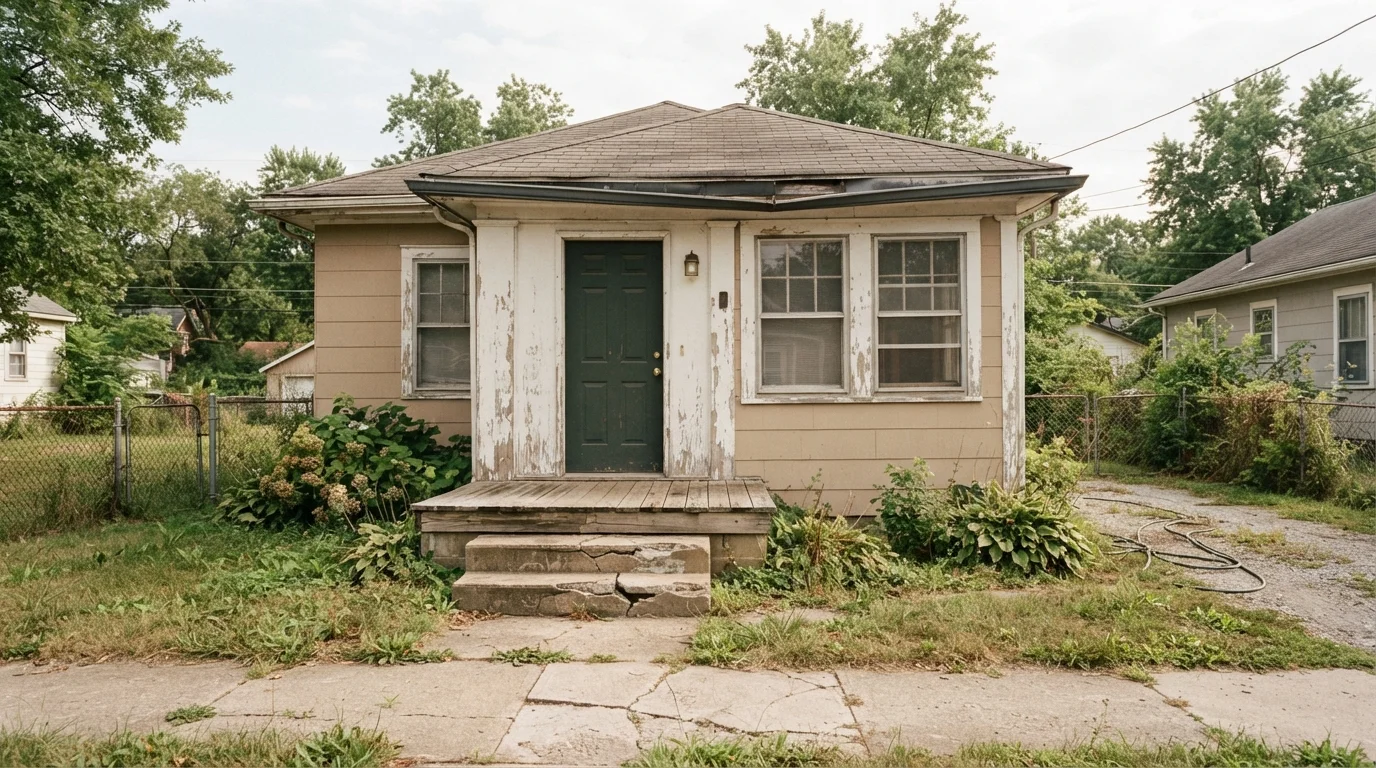
Every home deteriorates at its own pace, but the pace accelerates sharply when maintenance is skipped. A hairline crack in exterior caulking admits moisture; that moisture softens the wood sheathing behind it; over a season or two, rot sets in; and what began as a $30 caulk job becomes a $1,500 carpentry repair. This cascade - a small deficiency enabling a larger one - is the central mechanism of deferred maintenance costs.
The pattern repeats across every home system. A clogged dryer vent that goes uncleaned becomes a fire hazard and a prematurely failed appliance. A slow-draining shower that's ignored signals a partial blockage that, left alone, can back up and flood. A loose roof shingle that goes unnoticed admits water that damages decking, insulation, and eventually ceiling drywall. None of these outcomes are dramatic or sudden - they're the predictable result of ordinary neglect compounding quietly over time.
The same dynamic plays out in vehicle ownership. Our article on why skipping routine maintenance costs far more than the service itself illustrates how the deferral logic is identical whether you're managing a car or a home.
1-2%
Of home value recommended for annual maintenance
This widely cited guideline from housing economists reflects the average cost of keeping a home's systems in serviceable condition year over year.
10-15×
Cost multiplier when minor repairs are deferred
Home inspectors commonly report that unaddressed minor issues - particularly water-related - cost ten to fifteen times more once secondary damage is factored in.
$15,000+
Average mold remediation cost in severe cases
The EPA and remediation industry data indicate significant mold infestations - often originating from unresolved leaks - can exceed this figure before reconstruction costs are added.
The Home Systems Most Vulnerable to Neglect
Not all deferred maintenance carries equal risk. Prioritizing by damage potential is the most cost-effective approach.
Roof and Gutters
The roof is your home's first defense against water. A minor repair - a missing flashing section, a handful of cracked shingles - typically costs a few hundred dollars. The same leak, unaddressed for one to two winters, can saturate roof decking, rot rafters, and feed mold into attic insulation. Remediation for that chain of damage routinely runs into five figures. Gutters play a supporting role: clogged channels push water against fascia boards and, in freeze-thaw climates, contribute to ice dam formation that forces water under shingles.
Plumbing and Water Intrusion
Slow drips under sinks and around toilet bases are frequently dismissed as nuisances. In reality, persistent moisture creates ideal conditions for subfloor rot and mold. Bathroom neglect in particular compounds quickly - see our bathroom renovation cost breakdown for a realistic look at what repairs escalate into when water damage is involved.
HVAC Systems
A forced-air system with a clogged filter works harder, runs longer, and wears components faster. Skipping annual servicing shortens the life of the heat exchanger and compressor - components that cost thousands to replace - and reduces efficiency in the meantime.
Foundation and Drainage
Grading that slopes toward the foundation, disconnected downspout extensions, and cracked window wells all route water toward the structure. Foundation waterproofing failures are among the most expensive repairs a homeowner can face, and most begin as drainage problems that were inexpensive to correct.
Building a Maintenance Habit That Protects Your Investment
The most reliable defense against deferred maintenance costs is a scheduled approach. Homes have predictable service intervals - HVAC filters monthly, gutters twice yearly, roof inspection annually, caulking every few years - and working from a checklist prevents tasks from slipping through. Our seasonal home maintenance checklist provides a room-by-room framework for building that habit.
When budgeting, think in systems rather than individual repairs. Allocating a consistent annual amount - even a modest one - smooths out the financial shock of necessary repairs and reduces the temptation to defer. Homeowners new to this mindset will find our guide on home improvement priorities for first-time owners a useful starting point for knowing which tasks demand professional help and which are safe to DIY.
One often-overlooked cost of neglect is regulatory: unpermitted repairs or work done out of sequence with inspections can complicate home sales and trigger costly do-overs. Understanding when permits and inspections are required before starting any significant repair keeps you compliant and protects resale value.
Finally, if your home predates 1980, deferred maintenance intersects with hazardous materials risk. Disturbing deteriorating paint or old insulation during a long-delayed repair can trigger exposure concerns that require professional abatement. See our overview of working safely with old home materials before tackling any renovation in an older property.
Prioritize Water-Related Repairs First
When resources are limited, address anything that allows water to enter or accumulate before tackling cosmetic or comfort-related repairs. Moisture is the catalyst behind the most expensive chains of secondary damage - rot, mold, and structural failure. Fixing a leak today almost always costs less than repairing what it damages tomorrow.
Frequently Asked Questions
The reduction depends on severity and which systems are affected, but home inspectors and appraisers treat deferred maintenance as physical depreciation. Significant neglect - especially involving water damage, roofing, or foundation issues - can reduce appraised value by thousands of dollars and complicate mortgage approvals.
Roof repairs, gutter cleaning, plumbing leaks, HVAC servicing, and foundation drainage are consistently the highest-risk items to defer. Water intrusion is the common thread - it accelerates damage to adjacent systems and can trigger mold growth, which adds remediation costs on top of the original repair.
A commonly cited guideline is to set aside roughly 1-2% of your home's value annually for maintenance and repairs, though actual costs vary by home age, size, climate, and condition. Older homes with original systems typically fall toward the higher end of that range.
Many routine tasks - caulking, gutter cleaning, painting, replacing weatherstripping - are safe DIY projects. However, work involving electrical panels, gas lines, structural elements, or roofing over a certain pitch typically requires a licensed professional, and some repairs need permits. Always verify local code requirements before starting.
Generally, no. Standard homeowners insurance covers sudden, accidental damage - not gradual deterioration from neglect. Insurers commonly deny claims when damage is traced to maintenance failures, meaning deferred maintenance costs fall entirely on the homeowner.
The content provided on our blog site traverses numerous categories, offering readers valuable and practical information. Readers can use the editorial team’s research and data to gain more insights into their topics of interest. However, they are requested not to treat the articles as conclusive. The website team cannot be held responsible for differences in data or inaccuracies found across other platforms. Please also note that the site might also miss out on various schemes and offers available that the readers may find more beneficial than the ones we cover.