

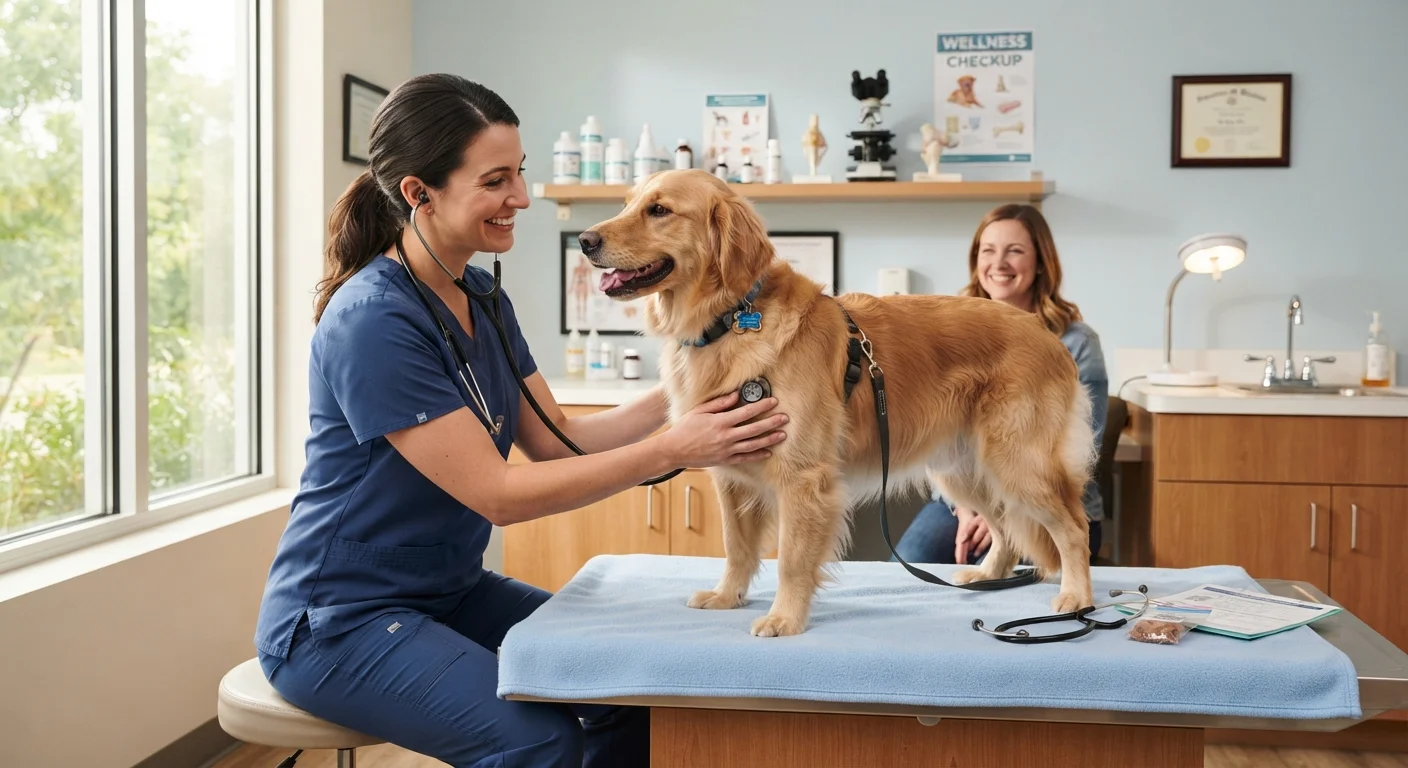
Option A
Preventive Care
The proactive, scheduled approach to maintaining pet health.
Best for: Owners who want to catch problems early, reduce long-term costs, and support their pet's quality of life year-round.
Option B
Reactive Care
The responsive approach to addressing illness or injury after it appears.
Best for: Addressing urgent, unexpected health events that arise despite a preventive routine.
What Each Approach Actually Means
Preventive care encompasses the scheduled, proactive steps taken to maintain a pet's health before problems arise. It includes annual or semi-annual wellness exams, core vaccinations, dental cleanings, parasite prevention (flea, tick, and heartworm), nutritional guidance, and routine bloodwork. The goal is early detection and risk reduction.
Reactive care is veterinary treatment provided in response to an illness, injury, or symptom that has already developed. Examples include treating an infected wound, managing a newly diagnosed chronic disease, or responding to a toxin ingestion. Reactive care is not a failure - it is often unavoidable - but when it becomes the primary mode of health management, it carries meaningful downsides.
Think of the difference the way you might think about vehicle upkeep: regular maintenance prevents breakdowns far more reliably than roadside repairs do. The same logic applies to pet health systems.
| Criterion | Preventive Care | Reactive Care |
|---|---|---|
| Timing | Scheduled; before illness appears | Unscheduled; after illness or injury |
| Typical cost per episode | Lower; routine exam and tests | Higher; diagnosis, treatment, medication |
| Long-term cost trend | Generally lower over pet's lifetime | Higher when used as primary approach |
| Health outcomes | Earlier detection; more options | Later detection; fewer options |
| Stress on pet | Lower; familiar routine visits | Higher; pain, emergency handling |
| Owner stress | Lower; predictable and planned | Higher; crisis-driven decisions |
| Examples | Vaccines, dental cleanings, bloodwork | Infection treatment, emergency surgery |
The Cost and Outcome Gap Over Time
Veterinary costs associated with reactive care tend to be substantially higher than those of prevention. Diagnosing and treating an advanced dental disease, for instance, often requires anesthesia, extractions, and post-operative medication - costs that dwarf those of routine annual cleanings. As our coverage of pet dental health explains, dental disease affects the majority of adult pets and can have downstream effects on organ health when left unaddressed.
Beyond finances, outcomes are generally better when conditions are caught early. Many diseases - including kidney disease, diabetes, and certain cancers - are more manageable when identified in early stages through routine bloodwork or physical exam findings. A pet presenting in late-stage illness has fewer treatment options and a narrower window for intervention.
80%
Adult dogs affected by dental disease by age 3
According to the American Veterinary Medical Association, dental disease is among the most common - and most preventable - conditions in adult pets.
2-4×
Cost increase when conditions are treated late-stage
Veterinary health economists generally estimate that treating advanced illness costs substantially more than early-intervention care for the same condition.
1 in 3
Pets will experience a significant illness or injury annually
Industry surveys from pet insurance providers suggest a substantial proportion of pets require unplanned veterinary care each year.
It is worth noting that preventive care does not eliminate all health events. Genetics, environment, and chance all play roles. But a consistent preventive framework reduces the frequency and severity of reactive episodes over a pet's lifetime.
Stress, Welfare, and the Hidden Costs of Reactivity
Health crises are stressful for pets and owners alike. Emergency clinic visits, unfamiliar handling, pain, and disrupted routines all affect an animal's emotional state. Research into animal cognition and behavior increasingly shows that chronic or acute stress affects more than mood - it can influence immune function and recovery. For a broader look at this topic, see our article on pet mental and emotional health.
Preventive visits, by contrast, help pets build familiarity with the veterinary environment. Animals examined regularly tend to be less reactive during exams, making assessment more accurate and less taxing for everyone involved.
There is also a practical welfare argument: an animal in pain or advanced illness often cannot communicate distress clearly. Owners relying solely on visible symptoms to trigger care may miss a significant window. Routine exams give veterinarians a baseline against which subtle changes can be measured - something reactive care, by definition, lacks.
For older animals specifically, the preventive calculus shifts further. Senior pets typically require more frequent screenings and proactive monitoring as organ function and mobility change with age.
This article provides general educational information about pet health approaches and is not a substitute for professional veterinary advice. Consult a licensed veterinarian for guidance specific to your pet's health, age, and medical history.
The content provided on our blog site traverses numerous categories, offering readers valuable and practical information. Readers can use the editorial team’s research and data to gain more insights into their topics of interest. However, they are requested not to treat the articles as conclusive. The website team cannot be held responsible for differences in data or inaccuracies found across other platforms. Please also note that the site might also miss out on various schemes and offers available that the readers may find more beneficial than the ones we cover.