

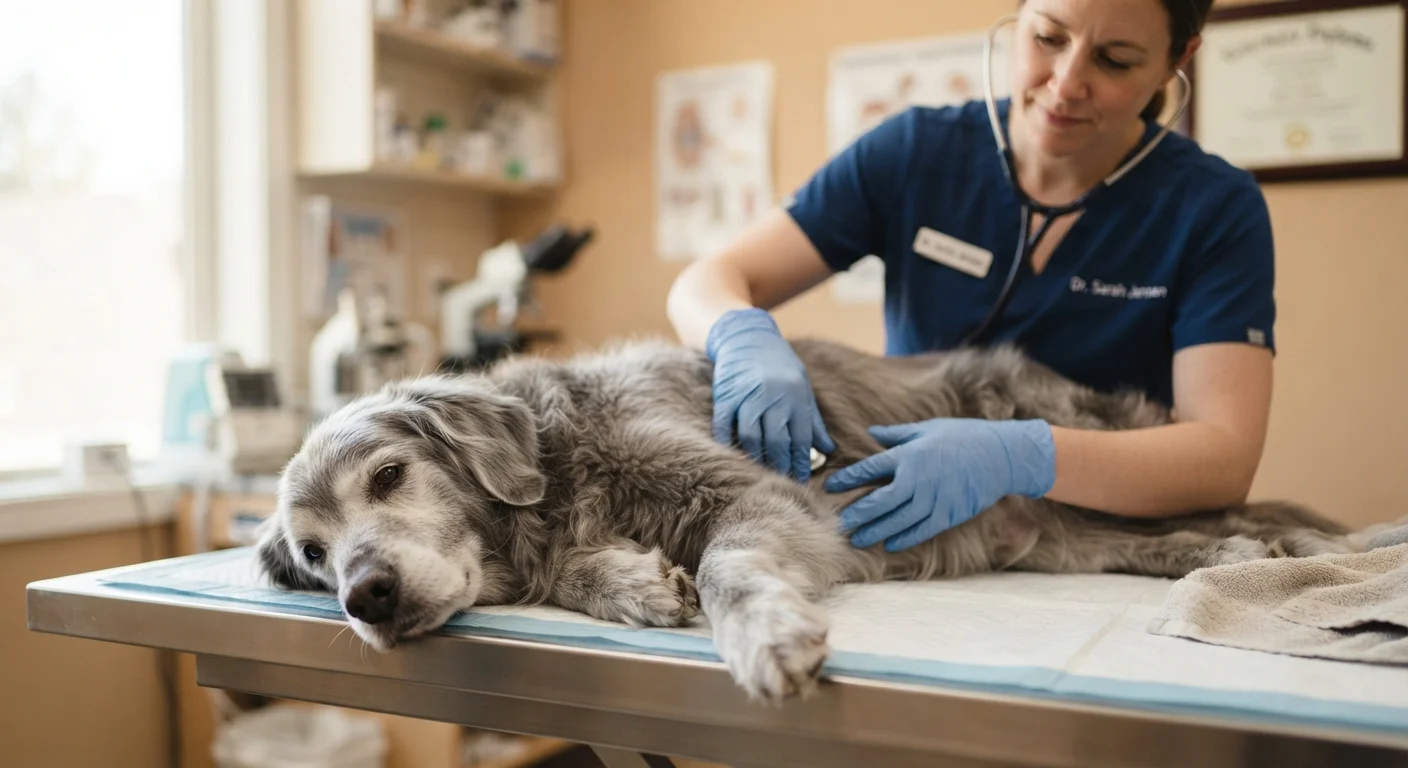
Why Age Seven Is a Recognized Turning Point
The age-seven benchmark for senior status in pets is a general guideline endorsed by many veterinary organizations, not a rigid biological rule. Cats and small-to-medium dogs typically follow it closely, while large and giant dog breeds are often considered seniors as early as five or six years old due to their accelerated aging trajectory.
Physiologically, older pets experience declining organ reserve - meaning their kidneys, liver, heart, and immune system have less capacity to compensate when stressed or diseased. Cellular repair slows, metabolic rate shifts, and the body becomes less efficient at maintaining homeostasis. These changes don't happen overnight, but by age seven most pets have begun a phase where subclinical (not yet symptomatic) disease can develop quietly and progress quickly if undetected.
This is why veterinary care protocols change - not because your healthy-seeming pet suddenly needs crisis management, but because preventive care becomes significantly more productive than waiting for visible symptoms to appear.
Key Screening Changes Your Vet Will Likely Recommend
The most meaningful shift in senior veterinary care is the move to twice-yearly wellness exams. Because pets age roughly four to seven times faster than humans, a six-month gap between checkups is the functional equivalent of a two- to three-year gap for a person. These visits allow vets to establish baseline values and catch deviations early.
Routine wellness visits for senior pets typically include a broader diagnostic workup than those for younger animals. Commonly added components include:
- Complete blood count (CBC) and chemistry panel: Screens for anemia, infection, liver and kidney function, and blood glucose levels.
- Urinalysis: An essential tool for early kidney disease detection, which is among the most common conditions in senior cats.
- Thyroid testing: Hyperthyroidism is highly prevalent in older cats; hypothyroidism is common in older dogs.
- Blood pressure measurement: Hypertension in senior pets often accompanies kidney disease or hyperthyroidism and can damage the eyes, brain, and heart if untreated.
- Dental assessment: Dental disease is widespread in adult pets and worsens with age, contributing to systemic inflammation.
Breed and Size Affect Senior Timelines
Large and giant dog breeds - such as Great Danes and Bernese Mountain Dogs - are typically classified as senior between ages five and six, not seven. Smaller breeds and most cats generally follow the age-seven guideline more closely. Ask your vet which threshold applies to your specific pet, as this affects how early to begin senior-level screening protocols.
Your vet may also recommend imaging - chest X-rays or abdominal ultrasound - depending on your pet's breed, history, or findings from physical examination. These are not routine for every senior pet but become relevant when specific risk factors are present.
Dietary and Weight Management Adjustments
Nutritional needs shift meaningfully in older pets, but the direction of change is not always what owners expect. Some seniors need fewer calories due to reduced activity; others - particularly cats with hyperthyroidism or muscle-wasting conditions - may need more protein or higher caloric density. This variability makes it important to consult your veterinarian before switching to a senior-labeled food.
Evaluating your pet's current diet before making changes is a practical first step your vet will appreciate. Factors like kidney function, dental condition, and digestive health all influence which formulations are appropriate.
Weight management deserves particular attention. Both obesity and unintended weight loss carry serious risks in senior pets. Even modest excess weight accelerates joint deterioration and increases the metabolic load on aging organs. Conversely, unexplained weight loss in a senior pet is a clinical red flag that warrants prompt evaluation.
Schedule wellness exams every six months once your pet reaches senior age
The faster aging rate of senior pets means disease can progress substantially between annual visits. Biannual exams create more opportunities to detect and intervene early, before conditions become harder to manage.
Request a senior blood panel and urinalysis at each wellness visit
Many serious conditions in older pets - including kidney disease, diabetes, and hyperthyroidism - produce few outward signs in early stages. Routine lab work creates a baseline and reveals subclinical changes before symptoms appear.
Work with your vet to establish an appropriate calorie and nutrient target
Senior pets have varying nutritional needs that don't fit a single profile. A veterinarian can assess body condition score, muscle mass, and organ function to determine whether caloric reduction, protein adjustment, or specialized formulation is warranted.
Track your pet's weight at home between vet visits
Weight changes of even a few percent of body weight can be clinically significant in small animals. Early detection of unintended gain or loss gives vets a head start in identifying the cause.
Keep a simple health log noting behavioral or physical changes
Memory is imprecise, especially when changes happen gradually. A brief written or phone-based log of symptoms, changes in routine, or unusual behavior gives vets the timeline and frequency data they need for accurate assessment.
Monitoring at Home Between Vet Visits
What owners observe at home is a genuinely valuable source of diagnostic information. Vets see your pet for minutes at a time; you see them daily. Developing a habit of structured observation - rather than casual awareness - allows you to report meaningful changes accurately.
Changes worth documenting and reporting include: increased or decreased water intake, changes in urination frequency or volume, altered appetite, unexplained weight fluctuation, new lumps or swellings, changes in gait or willingness to exercise, and shifts in sleep patterns or interaction levels. Clear, specific observations communicated to your vet - with approximate timing and frequency - significantly improve diagnostic efficiency.
Cognitive changes also deserve attention. Disorientation, disrupted sleep-wake cycles, house soiling in previously trained pets, and altered social behavior can indicate cognitive dysfunction syndrome (CDS), a condition recognized in both dogs and cats. CDS is manageable in many cases, but requires veterinary diagnosis before assuming behavioral causes.
This article is for general informational purposes only and does not constitute veterinary medical advice. Always consult a licensed veterinarian for guidance specific to your pet's health needs.
The content provided on our blog site traverses numerous categories, offering readers valuable and practical information. Readers can use the editorial team’s research and data to gain more insights into their topics of interest. However, they are requested not to treat the articles as conclusive. The website team cannot be held responsible for differences in data or inaccuracies found across other platforms. Please also note that the site might also miss out on various schemes and offers available that the readers may find more beneficial than the ones we cover.