

How Brakes Actually Work - and Why They Wear
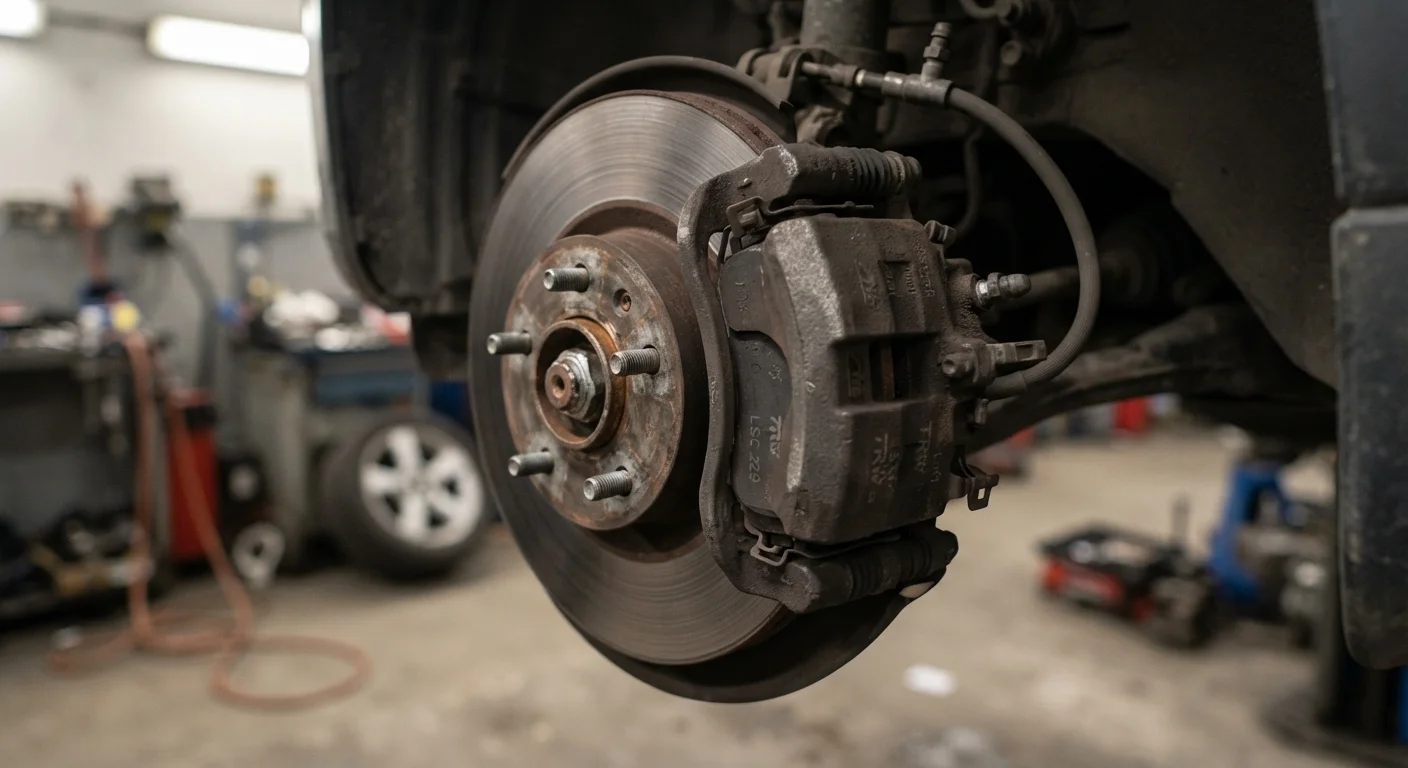
Every time you press the brake pedal, hydraulic pressure forces brake pads against spinning metal rotors. That friction converts your car's kinetic energy into heat, slowing the vehicle. It's a highly effective system - but friction means material loss, and that loss accumulates with every stop.
Brake pads are made from friction material bonded to a metal backing plate. The friction material is engineered to wear gradually and predictably. Rotors - the large metal discs - are more durable but can wear or warp over time, especially if pads are allowed to reach bare metal. Understanding this basic mechanism helps explain why the warning signs look and feel the way they do.
For context on how maintenance like this fits into the broader upkeep of your vehicle, see Your Car's Maintenance Schedule, Decoded.
25,000-65,000 mi
Typical brake pad lifespan range
The National Highway Traffic Safety Administration and brake manufacturers cite this broad range, reflecting how significantly driving habits and conditions influence wear rate.
60-70%
Braking force handled by front brakes
Front brakes do the majority of the stopping work on most passenger vehicles, which is why front pads typically wear faster than rear pads.
2-3 mm
Pad thickness that triggers wear indicator
Most OEM wear indicators are calibrated to contact the rotor and squeal when pad friction material reaches this minimum safe threshold.
Warning Signs You Shouldn't Ignore
Brake problems rarely appear without any warning. The challenge is knowing which signals require immediate attention and which give you a short window to schedule service.
Squealing or Screeching
The most common early alert. Most modern pads include a metal wear indicator designed to emit a high-pitched squeal when the friction material is nearly depleted. If you hear this consistently - not just after the car has been sitting in wet weather - schedule an inspection promptly.
Grinding or Growling
Grinding is a more urgent sign. It typically means the pad material is gone and metal is contacting the rotor directly. At this stage, rotor damage is likely occurring with every stop. Don't delay service if you hear this.
Vibration or Pulsing in the Pedal
A pedal that pulses under braking usually indicates warped rotors - often caused by excessive heat or uneven wear. Warped rotors reduce consistent contact between pad and rotor, compromising stopping performance.
Longer Stopping Distances
If your car takes noticeably longer to stop, that's a direct performance indicator. It may reflect worn pads, glazed rotors, or brake fluid degradation. Any perceived drop in braking response warrants professional evaluation - don't try to diagnose this one yourself.
Pulling to One Side
If the car pulls left or right during braking, one brake may be applying more force than the other. A stuck caliper or uneven pad wear is often the culprit. This affects vehicle control and should be inspected soon.
Build Brake Checks Into Tire Rotations
Tire rotations are recommended every 5,000-7,500 miles for most vehicles, and the wheel must come off anyway - making it the ideal time for a visual brake inspection at no extra labor cost. Ask your mechanic to include a pad thickness measurement and rotor check each time. This routine catch can prevent expensive rotor damage.
What Affects How Fast Brakes Wear?
Not all brake pads wear at the same rate. Several factors influence how quickly yours deplete:
- Driving environment: Stop-and-go city traffic generates far more brake applications per mile than highway driving, accelerating wear significantly.
- Driving style: Hard, late braking applies more force and heat than gradual slowing. Engine braking - downshifting or lifting off the throttle - reduces reliance on friction brakes.
- Vehicle weight: Heavier vehicles - trucks, SUVs, or cars carrying heavy loads - require more braking force, wearing pads faster.
- Pad material: Organic pads wear faster but are quieter and gentler on rotors. Semi-metallic pads last longer but generate more heat and noise. Ceramic pads offer a middle ground for many drivers.
- Rotor condition: A scored or warped rotor causes uneven pad contact, creating hot spots that accelerate wear on both components.
Driving habits are the factor most within your control. Maintaining a safe following distance and anticipating stops rather than reacting to them can meaningfully extend pad life.
When to Get an Inspection - and What to Expect
Brake pads should be visually checked at least once a year or whenever your tires are rotated. Many shops include a brake inspection as part of a routine tire service. If you're comfortable looking through your wheel spokes, you can often see the pad pressed against the rotor - if the friction material looks thinner than about a quarter-inch, flag it with a mechanic.
During a professional inspection, a technician will measure pad thickness (typically in millimeters), check rotor thickness and surface condition, inspect calipers and brake lines, and assess brake fluid condition. This is not a task to DIY unless you have verified mechanical training - improperly installed brake components are a direct safety hazard.
If your dashboard has lit up alongside any brake-related symptoms, see Warning Lights on Your Dashboard and What They're Telling You for help interpreting what each indicator means.
Deferred brake maintenance tends to compound costs. A pad replacement is substantially less expensive than replacing pads and rotors - and far less than addressing brake failure after an incident. Like many aspects of car ownership, staying ahead of wear is almost always the more cost-effective path. For perspective on how maintenance decisions affect the broader financial picture of ownership, see Depreciation Explained.
Frequently Asked Questions
There's no universal interval - brake pad life varies from roughly 25,000 to 65,000 miles depending on driving habits, vehicle weight, and pad material. City driving with frequent stops wears pads faster than highway driving. Check your owner's manual and have pads inspected at least once a year or during tire rotations.
A squeal triggered by the wear indicator is a warning - not an emergency, but not something to ignore. You typically have a short window before the pad is fully depleted. Once grinding begins, metal is contacting metal, and driving further risks rotor damage and reduced stopping ability.
Uneven wear is often caused by a sticking caliper, which keeps one pad pressed against the rotor even when you're not braking. Misaligned wheels, contaminated brake fluid, or pad material defects can also contribute. A mechanic can diagnose the underlying cause during an inspection.
Yes. On most vehicles, you can look through the wheel spokes to see the pad pressed against the rotor. If the friction material appears thinner than about a quarter-inch, it's time for an inspection. Some vehicles require wheel removal for a proper check.
No. Front brakes handle the majority of braking force - typically 60-70% - so they wear faster than the rear. It's common to replace front pads more frequently than rear pads on most passenger vehicles.
Once pads are fully depleted, the metal backing plate grinds directly against the rotor, scoring or warping it. Rotors cost significantly more to replace than pads. In severe cases, delayed service can also compromise brake fluid and caliper function.
The content provided on our blog site traverses numerous categories, offering readers valuable and practical information. Readers can use the editorial team’s research and data to gain more insights into their topics of interest. However, they are requested not to treat the articles as conclusive. The website team cannot be held responsible for differences in data or inaccuracies found across other platforms. Please also note that the site might also miss out on various schemes and offers available that the readers may find more beneficial than the ones we cover.