

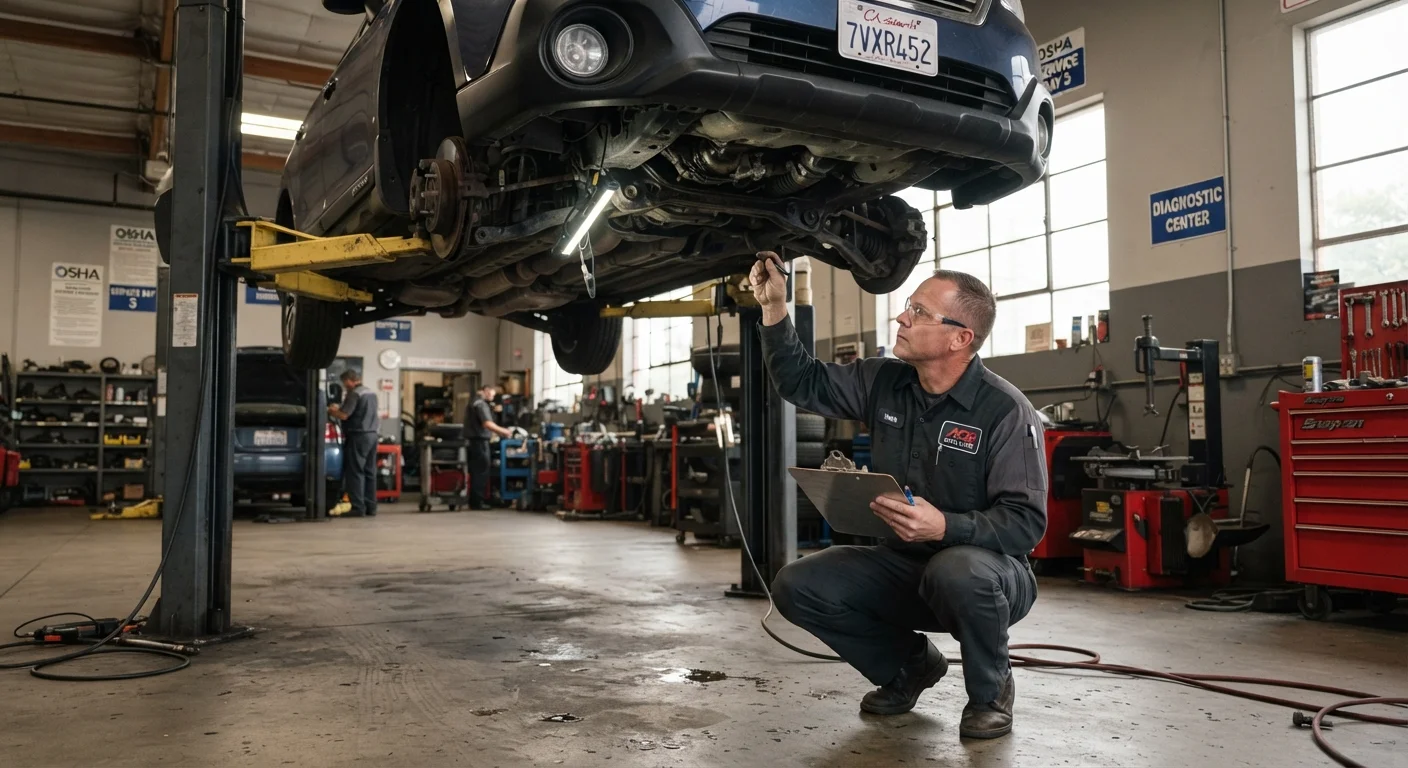
Why Multi-Point Inspections Exist
When you drop your car off for an oil change, a technician typically runs through a standardized checklist before handing back your keys. This is the multi-point inspection-a structured, head-to-toe look at your vehicle's key systems designed to catch developing problems early.
The underlying logic is sound: many costly repairs begin as minor, detectable issues. A worn serpentine belt, low brake fluid, or a tire approaching the wear bars are all things a trained eye can spot in minutes. The MPI gives shops a systematic way to surface those findings-and gives drivers information they'd otherwise miss.
As part of a broader approach to keeping maintenance costs manageable, understanding what an MPI covers puts you in a stronger position to evaluate what a shop recommends and why.
~$50B
Annual cost of neglected vehicle maintenance in the US
According to industry estimates cited by AAA, deferred maintenance contributes significantly to vehicle breakdowns and repair costs each year.
1 in 3
Vehicles on the road with under-inflated tires
The National Highway Traffic Safety Administration has reported that a substantial share of vehicles have at least one significantly under-inflated tire-a common MPI catch.
20-50+
Checkpoints on a typical multi-point inspection
The number of items reviewed varies by shop and vehicle type; manufacturer-affiliated service centers may follow OEM-specific checklists.
What Technicians Actually Evaluate
While checklists vary by shop and vehicle type, most multi-point inspections cover the following core categories:
Fluids
Technicians check engine oil (level and condition), coolant, brake fluid, power steering fluid, transmission fluid, and windshield washer fluid. Low or degraded fluid can signal a leak or indicate a service is overdue.
Tires and Wheels
Tread depth is measured-often with a gauge or the built-in wear indicators-and tire pressure is checked. Technicians also look for uneven wear patterns, which can indicate alignment or suspension problems, and inspect wheels for visible damage.
Brakes
Brake pad thickness is estimated visually through the wheel spokes, and rotors are examined for scoring or excessive wear. Some shops also check brake line condition and caliper hardware.
Lights and Electrical
Headlights, taillights, brake lights, turn signals, and hazard lights are cycled through. A burned-out bulb is a quick fix that also affects roadside safety and can result in a traffic stop.
Belts and Hoses
The serpentine belt and any accessory belts are inspected for cracking, fraying, or glazing. Coolant hoses are checked for soft spots, swelling, or signs of seeping. These components don't always fail with warning-visual inspection is often the only way to catch them before a breakdown.
Battery and Charging System
Many shops perform a quick load test on the battery and check terminal connections for corrosion. Battery failure is one of the leading causes of roadside breakdowns, particularly in extreme temperatures.
Suspension and Steering
Technicians look for obvious play in steering components, worn ball joints, damaged control arms, or leaking shock absorbers. This is often a visual and hands-on check rather than a full suspension diagnostic.
If you want a clearer picture of what lives under the hood before your next visit, our first-time owner's orientation to under-the-hood basics is a useful reference.
Ask for the Checklist Before You Leave
Always request a copy of the completed inspection form-paper or digital. Many shops now include photos or short videos of flagged items. Keeping these records helps you track wear trends over time and provides useful context if you switch service providers.
How to Read Your Inspection Report
Most shops return results using a traffic-light color system:
- Green: The component is within acceptable range-no action needed.
- Yellow: The component is showing wear or is approaching a service interval. Monitor it and plan accordingly.
- Red: The component is at or beyond its service limit, poses a safety concern, or requires immediate attention.
A few practical habits when reviewing your report: ask the technician to walk you through any yellow or red items in person. Request to see physical evidence-worn brake pads, a cracked belt-before authorizing repairs. And cross-reference recommendations against your owner's manual, which lists manufacturer-specified service intervals.
If you're weighing whether to handle something yourself or return for a shop visit, our comparison of DIY maintenance versus professional service can help you decide what makes sense for your situation.
The Limits of a Multi-Point Inspection
An MPI is a visual and operational snapshot-not a deep diagnostic. It won't detect internal engine wear, transmission slipping, or early-stage electrical faults that don't surface during a brief check. Technicians also vary in thoroughness, and shops have a financial incentive to flag service opportunities.
That doesn't make the inspection worthless-far from it. But it does mean you should treat the report as input, not verdict. A reputable shop will show you evidence for anything flagged red and won't pressure you into same-day decisions on non-urgent items.
For a broader framework on keeping your vehicle safe and road-ready across its full lifespan, the complete car ownership and maintenance reference covers the full scope of what responsible ownership involves.
This article is for general informational purposes. Always consult a qualified mechanic for assessments specific to your vehicle's condition.
Frequently Asked Questions
Most multi-point inspections are completed in 15 to 30 minutes when performed alongside another service like an oil change. A standalone inspection may take slightly longer depending on the number of checkpoints and the technician's findings.
No. A state-mandated safety inspection is a regulated, pass-or-fail evaluation required for vehicle registration in many states. A multi-point inspection is a shop's internal courtesy or service check-it varies by location and carries no legal standing.
Not necessarily, but red-flagged items typically indicate a safety concern or a component at or beyond its service limit. It's worth getting a second opinion if you're unsure, and consulting your owner's manual for manufacturer guidance. Ignoring brake or steering issues in particular poses real safety risks.
Yes-always ask. A reputable shop will hand over the completed checklist, and many now provide digital photos or video of flagged items. Reviewing it helps you separate genuine concerns from unnecessary service recommendations.
No. An MPI identifies what needs attention; scheduled maintenance-oil changes, filter replacements, fluid flushes-is the actual work. Think of the inspection as a triage tool, not a substitute for following your vehicle's maintenance schedule.
The content provided on our blog site traverses numerous categories, offering readers valuable and practical information. Readers can use the editorial team’s research and data to gain more insights into their topics of interest. However, they are requested not to treat the articles as conclusive. The website team cannot be held responsible for differences in data or inaccuracies found across other platforms. Please also note that the site might also miss out on various schemes and offers available that the readers may find more beneficial than the ones we cover.