

Why Kitchen Remodel Myths Are So Persistent
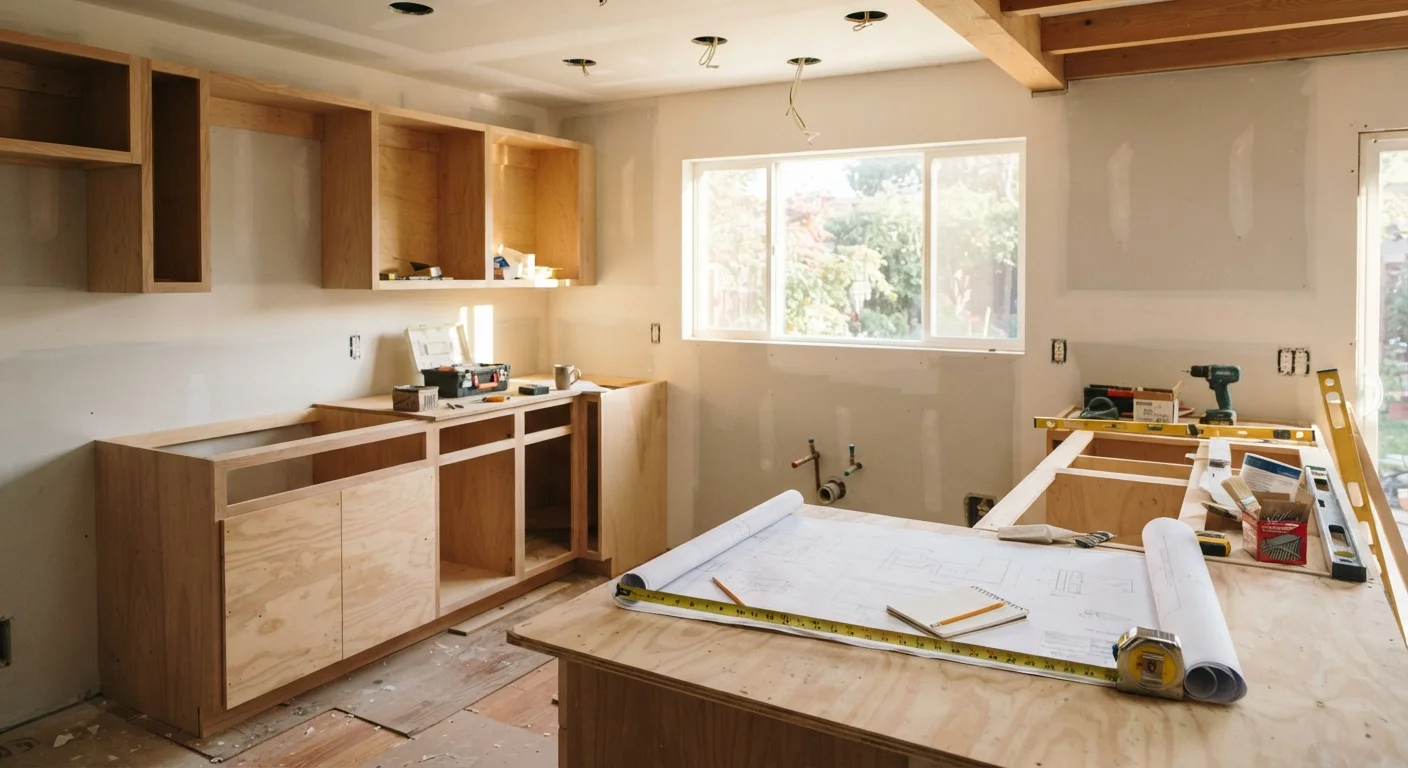
Kitchen renovations are among the most emotionally charged and financially significant projects a homeowner undertakes. That combination of high stakes and high hopes creates ideal conditions for myths to flourish. Design TV shows compress timelines, glossy magazines omit costs, and well-meaning neighbors share anecdotal wins as universal rules. The result: many homeowners walk into a remodel carrying assumptions that don't survive contact with a contractor's estimate or a building inspector's checklist.
Understanding where these beliefs break down - before you commit to a budget or tear out a single cabinet - can save thousands of dollars and months of frustration. For a broader look at how misconceptions cloud financial planning in general, see budget myths that stall good decisions.
Myth
A kitchen remodel will always recoup its full cost - or more - when you sell your home.
Fact
Most kitchen remodels return between 60-80% of their cost at resale, and that figure varies significantly by market, scope, and home price tier.
The idea that renovation spending equals or exceeds resale value is one of the most repeated - and least examined - claims in home improvement. Remodeling industry data consistently shows that even mid-range kitchen remodels typically recoup well under 100% of their cost nationally. High-end remodels often perform worse in percentage terms because buyers in most markets are unwilling to pay a premium that reflects every dollar spent on luxury finishes.
ROI also depends heavily on local conditions. A kitchen upgrade that adds value in a competitive urban market may be taken for granted in a neighborhood where comparable homes already have renovated kitchens.
Myth
You can remove any interior kitchen wall to create an open floor plan.
Fact
Many interior walls - including those in kitchens - are load-bearing and cannot be removed without structural engineering review and proper support measures.
Load-bearing walls carry the weight of the structure above them to the foundation. In kitchens, these walls frequently run perpendicular to floor joists and may support upper floors or roof structures. Removing one without understanding its role can cause immediate or gradual structural failure.
Before any wall comes down, a licensed structural engineer or experienced contractor should assess the framing. If a wall is load-bearing, a properly engineered beam and post system must replace its function. This adds cost and almost always requires a permit - but it also protects the home and the people inside it.
Myth
Installing high-end appliances significantly increases your home's appraised value.
Fact
Appraisers value appliances modestly and do not assign dollar-for-dollar credit for premium brands or models.
Appliances depreciate and are considered personal property in many real estate transactions. Appraisers typically assign value based on the overall condition and functionality of the kitchen, not on individual appliance specifications. A $6,000 range rarely adds $6,000 to an appraised value - or even close to it.
That said, outdated or non-functional appliances can negatively affect perceived value and buyer confidence. The sweet spot for most homeowners is replacing worn appliances with reliable mid-range models that match the overall kitchen quality level - not over-specifying for a space that can't absorb the premium.
Myth
DIY cabinetry and tile work always saves significant money over hiring a professional.
Fact
DIY labor can reduce costs, but mistakes in installation may require professional correction that costs more than hiring out the work originally would have.
Skilled tile and cabinet installation requires precision, appropriate tools, and familiarity with material behavior. Improperly set tiles crack or shift. Cabinets installed out of plumb or without correct wall anchoring create functional and aesthetic problems that are expensive to fix after the fact.
There's also the matter of warranties and insurance. Some manufacturers void product warranties if installation doesn't meet specified requirements. And if unpermitted DIY work is discovered during a home sale, buyers or their lenders may require remediation before closing.
The honest calculus: DIY is viable for homeowners with verified skills and the right tools. For those without prior experience, starting with smaller, lower-risk tasks - like painting cabinets or replacing hardware - is a more cost-safe entry point.
Myth
Remodel timelines given at the start of a project are reliable.
Fact
Kitchen remodels routinely extend beyond initial estimates due to material lead times, hidden conditions, and scheduling gaps between trades.
Contractors typically provide timeline estimates under ideal conditions - materials arrive on schedule, no unexpected issues are found behind walls, and all tradespeople are available as planned. In practice, any one of those assumptions can collapse. Supply chain delays on cabinets and specialty fixtures have historically pushed kitchen projects weeks past schedule.
Homeowners can protect themselves by building a realistic buffer - commonly 20-30% beyond the estimated duration - and clarifying in writing how the contractor will communicate delays. Planning around a firm deadline (a holiday gathering, for example) without that buffer is a common and avoidable source of stress.
Cost, ROI, and the Contractor Relationship
Financial expectations are where kitchen remodel myths cause the most damage. Homeowners frequently anchor their decisions to return-on-investment figures heard at a dinner party or seen in a real estate headline - figures that rarely reflect their specific home, neighborhood, or market conditions.
~62-81%
Typical kitchen remodel cost recouped at resale
Remodeling industry cost-vs-value analyses consistently show most kitchen projects return less than their full cost, with wide variation by region and project scope.
30-50%
Typical variance between contractor bids
For identical scopes of work, contractor estimates can differ substantially based on overhead, crew composition, and current demand - making multiple quotes essential.
Similarly, the belief that getting a single contractor quote is sufficient leads to surprises. Estimates can vary by 30-50% for identical scopes of work depending on the contractor's overhead, crew size, and current workload. Collecting at least three written quotes and asking each bidder to itemize labor separately from materials is a foundational step, not an optional one.
If you're weighing how to fund a renovation, the mechanics of loans, HELOCs, and cash-out refinancing are worth understanding before you sign anything - see home improvement financing options explained for a general overview.
Don't Skip the Itemized Estimate
A lump-sum bid makes it nearly impossible to compare contractors fairly or identify where costs are concentrated. Always request a written estimate that separates labor, materials, and subcontractor fees line by line. This also gives you a clearer picture of where value engineering - choosing a less expensive material in a lower-visibility area - is actually feasible without compromising the result.
Finally, many homeowners assume that matching the remodel style of their highest-priced neighbor will yield similar returns. Appraisers evaluate homes relative to comparable sales in the immediate area. Over-improving beyond neighborhood norms rarely produces proportional value gains.
If you're managing a compact kitchen and wonder whether a full remodel is even necessary, practical strategies for small kitchen organization may offer a lower-cost path forward.
Structural and Permit Realities Homeowners Underestimate
One of the most dangerous kitchen remodel myths is that interior walls are cosmetic by default. In reality, many kitchens - especially in homes built before the 1980s - have load-bearing walls running through what appears to be open space. Removing one without a structural engineer's assessment and proper temporary support can compromise the home's framing. This is a task that requires a licensed professional and, in virtually all US jurisdictions, a building permit.
Permits are another area where myths lead homeowners astray. The belief that "small jobs don't need permits" is both factually wrong in most municipalities and financially risky. Unpermitted work can surface during a home sale inspection, require costly remediation, or affect your homeowner's insurance coverage. Always verify local permit requirements through your city or county building department before work begins.
For first-time owners still building their sense of which projects to DIY and which to delegate, home improvement priorities for first-time owners offers a practical framework. Bathroom renovations involve similar structural and permit considerations - bathroom renovation on a realistic budget walks through where costs and complications tend to concentrate.
This article provides general home improvement information for educational purposes only. Always consult licensed contractors, structural engineers, and your local building department before undertaking renovation work - particularly any project involving structural, electrical, plumbing, or gas systems.
The content provided on our blog site traverses numerous categories, offering readers valuable and practical information. Readers can use the editorial team’s research and data to gain more insights into their topics of interest. However, they are requested not to treat the articles as conclusive. The website team cannot be held responsible for differences in data or inaccuracies found across other platforms. Please also note that the site might also miss out on various schemes and offers available that the readers may find more beneficial than the ones we cover.