

Our Verdict
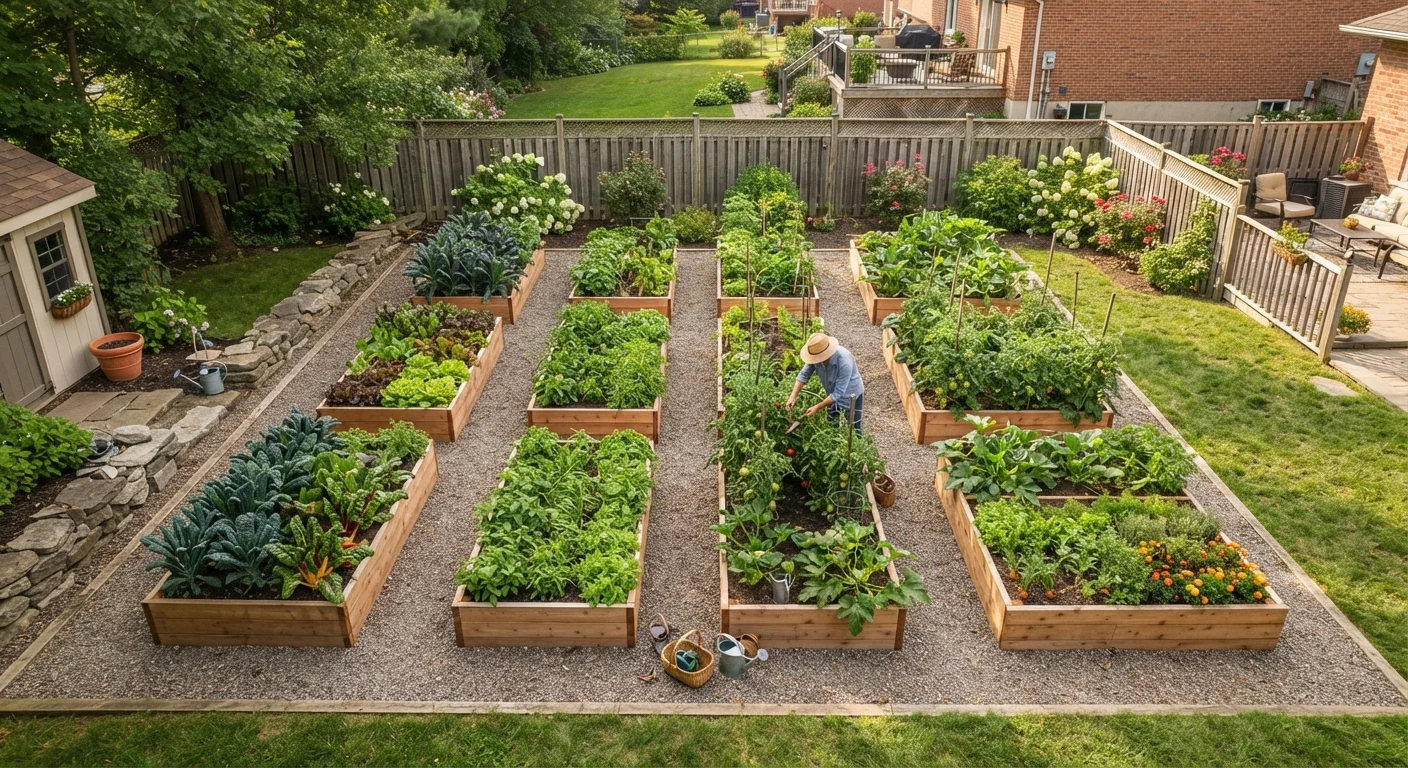
Raised beds deliver genuine advantages for gardeners dealing with poor native soil, limited mobility, or small urban spaces. However, the startup costs and ongoing watering demands make them a poor fit for large-scale growing or those on a tight ongoing budget. Approached with realistic expectations, they are one of the more rewarding investments a home gardener can make.
Ideal for homeowners with compacted or contaminated native soil, those who want intensive vegetable growing in a defined footprint, or anyone who benefits from working at a comfortable height.
What Raised Beds Actually Offer
Raised beds are exactly what they sound like: growing areas elevated above the surrounding ground, framed by wood, stone, galvanized metal, or composite materials. Their appeal isn't hype - there are concrete reasons experienced gardeners rely on them.
Full control over soil quality from the start
You fill raised beds with the exact mix your plants need, bypassing whatever compacted, nutrient-poor, or contaminated soil lies beneath. This is especially valuable on properties with heavy clay or construction fill.
Improved drainage reduces root rot risk
Elevated growing media sheds excess moisture more efficiently than flat ground, protecting plants during heavy rainfall and warming soil faster in spring.
Fewer weeds in early seasons
Starting with fresh, weed-free soil eliminates the existing seed bank in native ground. A solid base barrier further suppresses perennial weeds from migrating upward.
Easier to work without bending deeply
Even standard-height beds reduce the need to kneel on hard ground. Taller builds can eliminate bending entirely, making gardening accessible for more people.
Defined growing areas simplify planning
Clear boundaries make crop rotation, succession planting, and spacing far easier to track and manage compared to open in-ground plots.
The biggest practical advantage is soil autonomy. If your yard sits on heavy clay, compacted subsoil, or ground with a history of chemical use, building up allows you to start fresh with a custom mix suited to what you're growing. That's a meaningful advantage that in-ground gardening simply can't replicate without years of amendment work. See our guide to starting a vegetable garden from scratch for how soil selection fits into the broader planning process.
Drainage is the other headline benefit. Raised beds shed excess water more readily, which protects roots during wet stretches and warms up earlier in spring - extending your effective growing season at both ends.
The Real Costs and Drawbacks
Before committing to raised beds, you need an honest look at the downsides. These aren't deal-breakers, but they catch a surprising number of new gardeners off guard.
Significant upfront material and soil cost
Building and filling even a modest number of beds requires a meaningful investment before you grow a single plant. Costs vary by region and material, but the expense is often higher than beginners anticipate.
Faster drying requires more frequent watering
The same drainage that protects roots also accelerates moisture loss. In warm months, raised beds may need watering every day or two, raising both water bills and time commitment.
Soil settles and must be replenished annually
Organic matter breaks down throughout the growing season, shrinking soil volume by several inches. Annual topdressing with compost is necessary to maintain soil level and fertility.
Wood frames degrade and eventually need replacing
Most lumber, unless premium rot-resistant wood is used, will need replacement within 5-10 years. This recurring cost is rarely factored into the initial build decision.
Not cost-effective for large-scale growing
The economics of raised beds favor small, intensive growing areas. Scaling up to grow large quantities of food this way multiplies costs rapidly compared to in-ground methods.
The upfront cost is the most common sticking point. A single 4×8-foot bed filled with quality amended soil can easily run $150-$300 or more depending on your region and material choices - and most productive vegetable gardens require several beds. That price climbs further if you need to level ground, install irrigation, or add pest barriers.
Moisture retention is the other persistent challenge. Because raised beds drain efficiently, they also dry out faster. In summer heat, this can mean watering daily. If you're prone to inconsistent watering habits, this trade-off matters. The watering myths that affect in-ground beds apply just as much here - but the margin for error is smaller.
What No One Warns You About
Beyond the standard pros-and-cons list, a few issues regularly blindside first-time raised bed gardeners.
Width Matters More Than Height
The most common structural mistake in raised bed design is making beds too wide to reach across comfortably. A 4-foot maximum width works for most adults reaching from both sides, but beds placed against walls or fences should be no wider than 2-3 feet. Stepping into the bed compacts soil and undermines the drainage advantages you built the bed to achieve.
Bed width is often underestimated. The standard recommendation is no wider than 4 feet so you can reach the center without stepping inside the bed. But if you place beds against a fence or wall - or have a shorter reach - 3 feet is safer. Compacting the soil by stepping in defeats one of the core benefits.
Soil volume shrinks. Organic matter decomposes, and a bed that starts level with the frame can settle 2-4 inches by fall. Budget for annual topdressing with compost, or you'll find yourself working in a sunken bed with compromised drainage by year two.
Weed pressure doesn't disappear. Raised beds reduce weeds dramatically early on, but wind-blown seeds and birds ensure weed pressure returns. A cardboard or hardware cloth base layer at construction time does far more than landscaping fabric, which tends to degrade and become a nuisance.
Wood selection has long-term consequences. Untreated pine may last only 3-5 years in humid climates. Cedar and redwood are more durable but significantly more expensive. Understanding this trade-off before building saves money over a 10-year horizon. For those exploring lower-maintenance yard strategies overall, the low-maintenance landscaping approaches article offers useful framing on where raised beds fit into a broader yard plan.
Matching Raised Beds to Your Situation
Raised beds are not universally the right answer, and the gardeners who get the most from them are those who matched the method to their actual conditions.
3-5 years
Typical lifespan of untreated pine beds
In humid climates, untreated softwood lumber degrades quickly; cedar or redwood extends bed life to 10-20 years but costs considerably more upfront.
2-4 inches
Average soil settlement per growing season
Organic matter decomposition causes raised bed soil to sink noticeably in the first year, requiring annual replenishment to maintain drainage and growing depth.
They work particularly well when native soil is the primary obstacle - poor drainage, high clay content, or contamination concerns. For anyone growing a modest quantity of vegetables intensively, the controlled environment pays off. But for large-scale food growing or in regions with reliable rainfall and decent native soil, the economics of raised beds become harder to justify. In those cases, investing effort in plants suited to your native soil may yield better long-term results for less ongoing cost.
If mobility is a consideration - for older gardeners or those with limited bending ability - taller beds built at bench height (18-24 inches) can make gardening genuinely accessible in ways that in-ground planting cannot. That functional benefit alone makes raised beds worth the investment for many households.
The content provided on our blog site traverses numerous categories, offering readers valuable and practical information. Readers can use the editorial team’s research and data to gain more insights into their topics of interest. However, they are requested not to treat the articles as conclusive. The website team cannot be held responsible for differences in data or inaccuracies found across other platforms. Please also note that the site might also miss out on various schemes and offers available that the readers may find more beneficial than the ones we cover.