

Why Watering Advice Goes Wrong
Most gardening rules get passed down through neighbors, gardening forums, and well-meaning family members - not peer-reviewed horticulture research. The problem is that plants are far more nuanced than a simple daily reminder on your phone, and some of the most confidently repeated watering beliefs actively damage the gardens they're meant to protect.
Understanding what actually happens in the soil - how roots absorb water, how evaporation works, and how plants signal stress - is the foundation of smarter, more efficient watering. For homeowners looking to cultivate healthy yards without wasting money on excess water bills, separating myth from fact is essential. If you're also rethinking your yard's overall design, low-maintenance landscaping strategies can complement better watering habits.
The Myths - And What the Evidence Actually Shows
Below are the most common watering misconceptions affecting home gardens, each paired with what horticultural science and experienced growers actually recommend.
Myth
Plants need to be watered every single day to stay healthy.
Fact
Most established plants thrive with deep, infrequent watering - typically every 2-7 days depending on species, soil, and weather.
Daily shallow watering keeps moisture near the soil surface, which is where roots will cluster. Surface soil dries out quickly, leaving those shallow roots vulnerable during hot or dry periods. Watering deeply but less frequently encourages roots to grow downward toward more stable moisture reserves, building genuine drought resilience over time. The right frequency depends on your soil type (clay drains slowly; sandy soil dries fast), the plant's needs, and current temperatures.
Myth
Watering plants in full sun will burn or scorch the leaves.
Fact
There is no credible scientific evidence that water droplets act as magnifying lenses and burn plant leaves under sunlight.
This myth has circulated for decades, but controlled horticultural research has not confirmed that midday watering causes leaf scorch under normal field conditions. Leaf burn attributed to watering is far more commonly caused by fertilizer residue, reflected heat from hard surfaces, or disease - not the water itself. That said, morning is still the preferred time to water: it reduces evaporation loss and allows foliage to dry before nightfall, which does help limit fungal issues.
Myth
If a plant looks stressed or wilted, it needs more water immediately.
Fact
Wilting can signal both underwatering and overwatering - excess moisture causes root damage that prevents water uptake.
Overwatering is one of the most common causes of plant death in home gardens. Waterlogged soil deprives roots of oxygen, leading to root rot - a condition where roots can no longer transport water effectively even when the soil is saturated. The result looks exactly like drought stress: wilting, yellowing leaves, and a plant in decline. Before adding water, check the soil. If it's already damp an inch or two down, withhold water and let it drain. If it's bone dry, then water deeply.
Myth
All plants in a garden bed should follow the same watering schedule.
Fact
Water needs vary significantly by species, root depth, and placement - a single schedule will inevitably over-water some plants and under-water others.
Grouping plants with similar water needs - a practice called hydrozoning - is one of the most effective ways to reduce water waste and plant loss. Succulents and drought-tolerant native plants placed alongside moisture-loving annuals creates a situation where one group is always suffering. When planning or replanting beds, consider water needs alongside sun exposure and mature size. This is especially relevant in raised bed gardens, which drain faster than in-ground beds and often need more attentive moisture monitoring.
Myth
A light sprinkling every day is fine - it all adds up to enough water.
Fact
Frequent light watering rarely penetrates deep enough to reach root zones, leaving plants thirsty despite regular attention.
A brief run of a hose or sprinkler may wet only the top inch or two of soil. This not only fails to reach established root systems - which can extend several inches down - it also promotes the shallow-rooting problem described above. A useful test: water normally, then dig a small hole nearby and see how deep the moisture actually reached. Many homeowners are surprised to find dry soil just below the surface after what felt like adequate watering.
Building a Smarter Watering Routine
Once you've shed the myths, a more effective routine comes into focus. The core principle is deep and infrequent: water thoroughly so moisture reaches 6-8 inches into the soil, then allow the surface to dry before watering again. This encourages roots to grow downward in search of moisture rather than lingering near the surface.
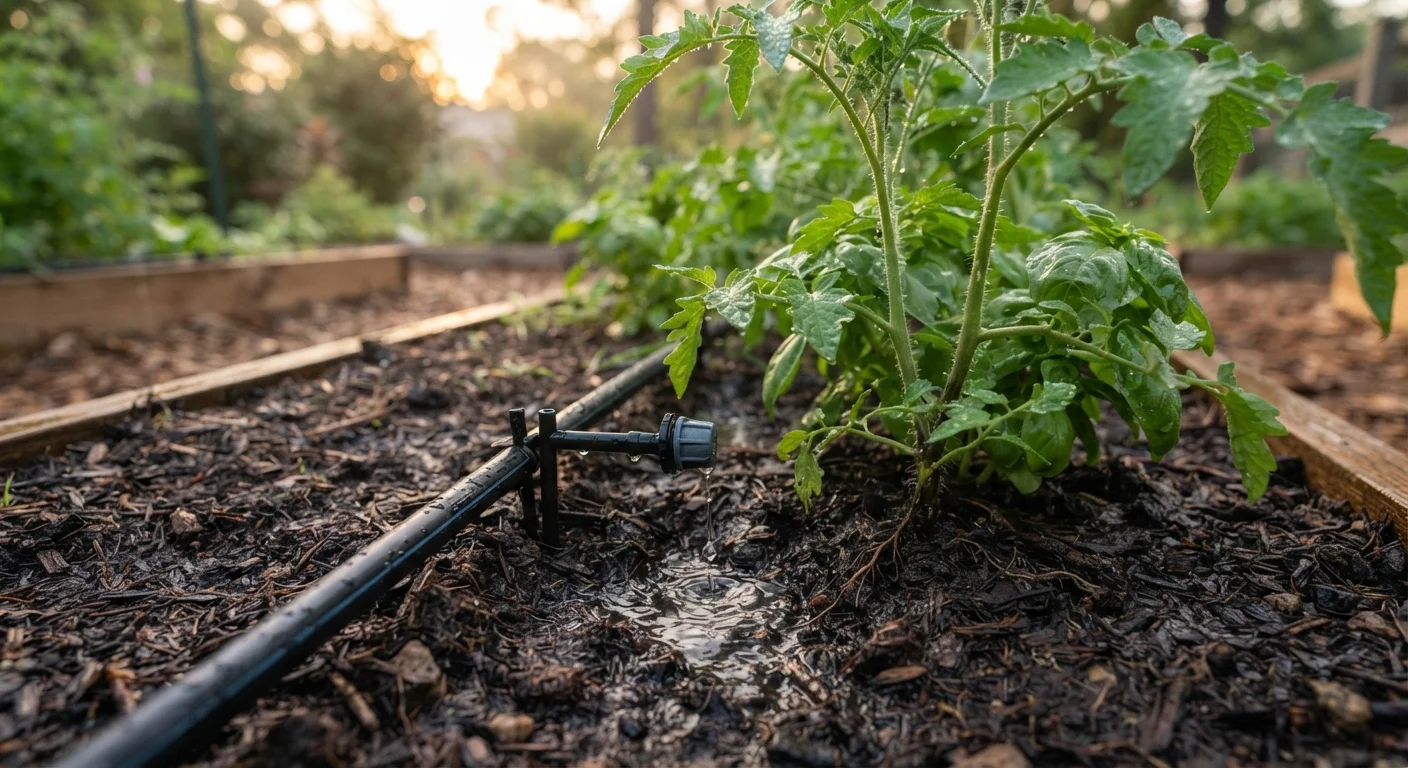
Check soil moisture by pressing your finger 2 inches into the soil near the plant's root zone. If it feels moist, hold off. Investing in a simple soil moisture meter can remove guesswork entirely. For homeowners comparing delivery methods, a review of drip vs. sprinkler irrigation can help identify which system best reduces waste for your yard type.
Don't overlook what surrounds your plants, either. Mulch is one of the most effective tools for slowing evaporation between watering sessions - the right mulching approach can meaningfully reduce how often you need to water. Soil health also plays a role: poor nutrient uptake often looks like a watering problem but isn't. A soil test is a worthwhile first step if your plants are persistently struggling - see how soil pH affects plant health for more context.
The content provided on our blog site traverses numerous categories, offering readers valuable and practical information. Readers can use the editorial team’s research and data to gain more insights into their topics of interest. However, they are requested not to treat the articles as conclusive. The website team cannot be held responsible for differences in data or inaccuracies found across other platforms. Please also note that the site might also miss out on various schemes and offers available that the readers may find more beneficial than the ones we cover.