

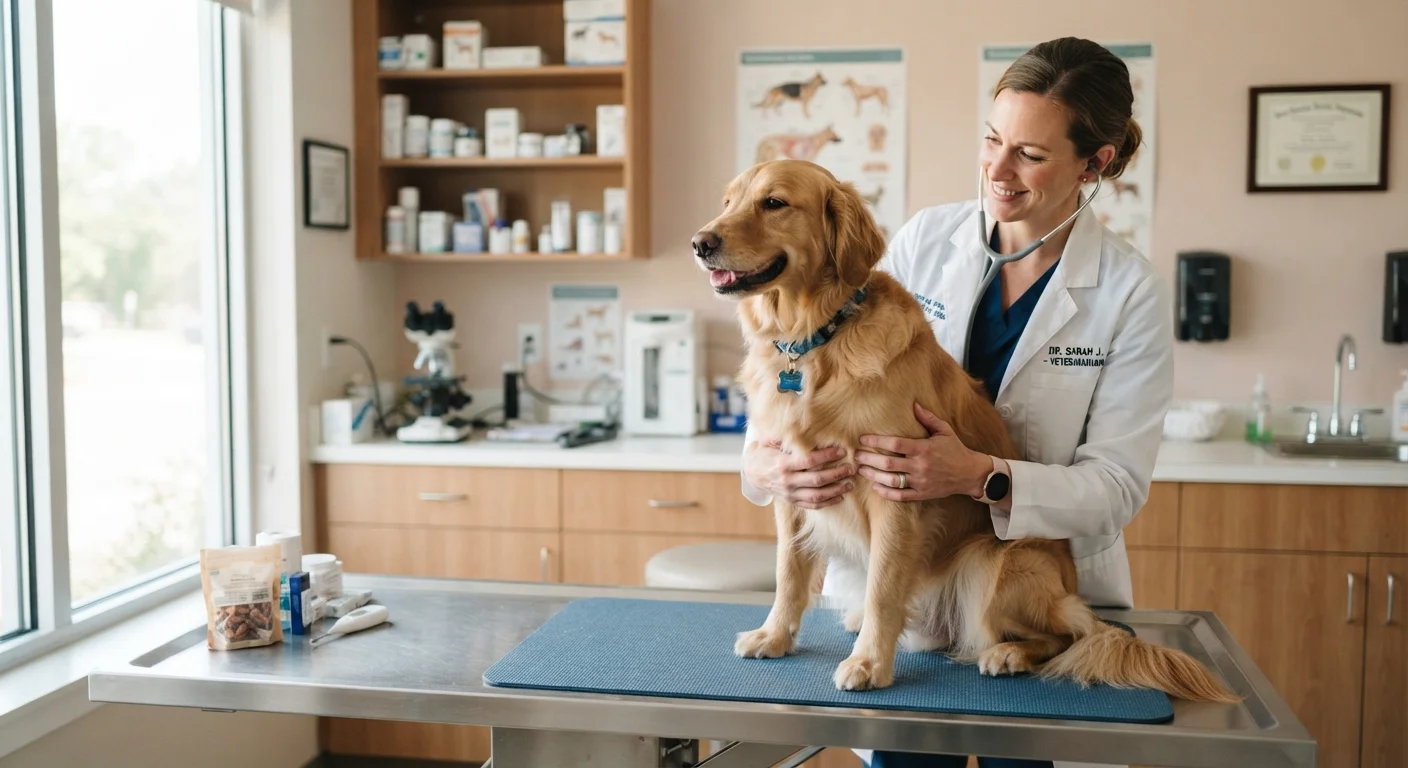
The Physical Exam: A Head-to-Tail Assessment
The physical examination is the core of any wellness visit, and it covers far more ground than most owners expect. A veterinarian works systematically through every major body system, gathering information that can't be obtained from observation alone.
Here's what a typical exam includes:
- Eyes and ears: Checked for signs of infection, inflammation, discharge, or early vision and hearing changes.
- Mouth and teeth: Dental disease affects the majority of adult pets and is often pain-free in early stages. Vets look for tartar buildup, gum inflammation, and tooth damage. See our article on pet dental health to understand why this matters beyond the mouth.
- Lymph nodes: Palpated for unusual size or texture, which can signal infection or immune system activity.
- Heart and lungs: Listened to with a stethoscope to detect murmurs, arrhythmias, or abnormal breath sounds.
- Abdomen: Gently palpated to assess organ size, detect masses, or identify pain responses.
- Skin and coat: Examined for parasites, lesions, lumps, and coat quality, which reflects overall nutritional status.
- Musculoskeletal system: Range of motion and joint health assessed, particularly important in older or larger breeds.
Weight and body condition score are also recorded at every visit - a standardized tool vets use to assess whether a pet is at a healthy weight. Even modest excess weight carries meaningful health risks. Learn how vets evaluate body condition and why it matters.
Exam Findings Build Over Time
One of the less-discussed benefits of consistent annual exams is the cumulative health record they create. When your vet can compare this year's heart rate, weight, and bloodwork to prior years, small trends become visible that would otherwise go unnoticed. Keeping records at the same clinic - or transferring them when you switch - preserves this longitudinal value.
Vaccines, Parasite Prevention, and Diagnostics
Beyond the physical exam, the wellness visit is when your vet reviews and updates your pet's preventive care plan. This includes evaluating which vaccines are due based on your pet's lifestyle and risk profile - not all pets need identical protocols.
Core vaccines for dogs typically include rabies, distemper, and parvovirus. For cats, rabies and the FVRCP combination are standard. Non-core vaccines (like Bordetella or leptospirosis) are recommended based on individual exposure risk. Your vet will walk through what applies to your pet specifically.
Parasite prevention is reviewed in the same conversation. Year-round protection against fleas, ticks, heartworm, and intestinal worms is generally recommended across most of the US, though local risk levels vary. A full overview of parasite prevention strategies can help you understand the options.
Depending on your pet's age and history, the vet may recommend diagnostic testing alongside the exam:
- Fecal testing: Screens for intestinal parasites not visible to the naked eye.
- Heartworm testing: An annual blood test is recommended even for pets on prevention, as early detection matters.
- Blood panels and urinalysis: More commonly recommended for senior pets, these tests screen for organ function, blood cell counts, and metabolic conditions before symptoms develop.
Prepare a Short List Before You Go
Write down any changes you've noticed - in appetite, behavior, energy, or bathroom habits - in the week before the appointment. Even seemingly minor observations can be diagnostically relevant. A short written list ensures you don't forget anything under the time pressure of the visit.
Your Role: Observations That Change the Outcome
Veterinarians spend roughly 30 to 60 minutes with your pet each year. You spend the other 8,000-plus hours observing them at home. That asymmetry means your input during a wellness visit is genuinely diagnostic - not just conversational.
Before your appointment, make note of any of the following:
- Changes in appetite, thirst, or water intake
- Shifts in energy level or exercise tolerance
- Altered sleep patterns or unusual restlessness
- Changes in bathroom habits - frequency, consistency, or accidents
- New lumps, limping, or changes in posture
- Behavioral shifts, including increased anxiety or aggression
Behavioral observations are particularly worth raising. Research in animal cognition increasingly shows that stress, anxiety, and under-stimulation have measurable physical health effects. What science is revealing about pet mental health is worth understanding alongside physical wellness.
The wellness visit is also a natural time to discuss life-stage transitions - whether you're considering spaying or neutering, noticing early signs of aging, or preparing for a new addition to the household. Building a strong vet relationship makes every one of these conversations more productive.
For owners newer to the process, understanding preventive versus reactive care can put the annual exam in broader context - it's one of the highest-value steps you can take for your pet's long-term health.
This article provides general educational information about veterinary wellness visits and is not a substitute for professional veterinary advice. Always consult a licensed veterinarian for guidance specific to your pet's health needs.
Frequently Asked Questions
A vet systematically examines your pet from nose to tail, assessing the eyes, ears, teeth, lymph nodes, heart, lungs, abdomen, skin, coat, musculoskeletal system, and more. They also review weight and body condition, discuss behavioral changes, and update parasite prevention and vaccines as needed. It's a comprehensive snapshot of your pet's health status.
Yes. Pets age faster than humans and can develop significant health issues without obvious symptoms. Annual exams establish a health baseline that makes subtle changes easier to detect year over year. Conditions like heart murmurs, dental disease, and early kidney changes are often found before any outward signs appear.
Most routine wellness visits last between 30 and 60 minutes, depending on your pet's age, health history, and how many topics need to be discussed. Senior pets or those with ongoing conditions may have longer appointments. Coming prepared with a list of questions helps make the most of the time.
Bring your pet's vaccination records if they're at a new clinic, a list of all medications and supplements your pet takes, and a fresh stool sample if your vet recommends intestinal parasite screening. Jot down any behavioral changes, appetite shifts, or physical changes you've noticed at home - your observations are genuinely useful diagnostic information.
Senior pets - generally those over age seven - and animals with chronic conditions or a history of illness typically benefit from biannual exams. Your vet will recommend a schedule based on your pet's specific age, breed, and health profile. See our article on <a href="/pet-care-essentials/pet-health-basics/senior-pets-how-veterinary-care-needs-shift-after-age-seven">senior pet care</a> for more detail.
Absolutely. Vets assess body condition score at every wellness exam and can advise on feeding amounts, food type, and weight management goals. Maintaining a healthy weight is one of the most impactful things you can do for your pet's long-term health - it directly affects joint health, metabolic function, and lifespan.
The content provided on our blog site traverses numerous categories, offering readers valuable and practical information. Readers can use the editorial team’s research and data to gain more insights into their topics of interest. However, they are requested not to treat the articles as conclusive. The website team cannot be held responsible for differences in data or inaccuracies found across other platforms. Please also note that the site might also miss out on various schemes and offers available that the readers may find more beneficial than the ones we cover.